RTG Beverages: A New Wave in Refreshment
In the fast-paced world we inhabit today, convenience has become a paramount factor influencing consumer choices. This has led to the emergence of a new category of refreshments known as RTG beverages, or Ready To Grab beverages. These drinks are designed for individuals who seek quick, efficient options that align with their busy lifestyles. RTG beverages distinguish themselves from traditional drinks by prioritizing portability, accessibility, and sometimes, health-conscious formulations.
Shobhit Goyal
3/26/20267 min read
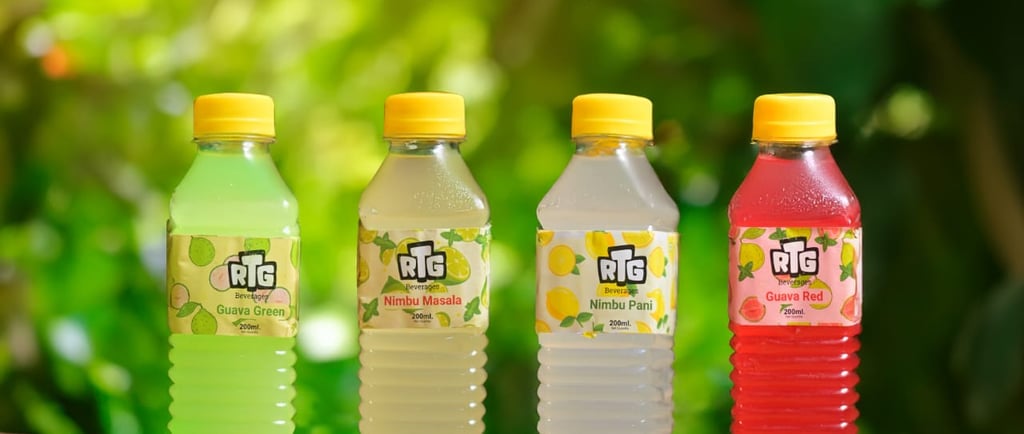
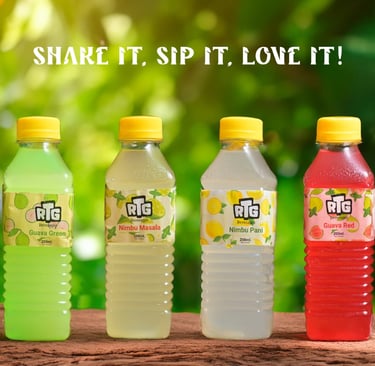
Introduction to RTG Beverages
In the fast-paced world we inhabit today, convenience has become a paramount factor influencing consumer choices. This has led to the emergence of a new category of refreshments known as RTG beverages, or Ready To Grab beverages. These drinks are designed for individuals who seek quick, efficient options that align with their busy lifestyles. RTG beverages distinguish themselves from traditional drinks by prioritizing portability, accessibility, and sometimes, health-conscious formulations.
Unlike conventional drinks that often require preparation or extensive processing, RTG beverages are ready for immediate consumption. They often come in easy-to-handle packaging that caters to on-the-go lifestyles, making them ideal for busy professionals, students, and anyone else needing a quick refreshment. This innovative approach not only simplifies the consumer experience but also addresses the desires for both nutritional value and taste, providing options that fit a variety of dietary preferences.
The RTG beverage market has expanded significantly, with various products ranging from nutritious smoothies and teas to flavored waters and functional beverages. These offerings often include added vitamins, minerals, or other health benefits, appealing to those who wish to maintain a healthy lifestyle without sacrificing convenience. Moreover, the growing trend towards sustainability is prompting manufacturers to use eco-friendly packaging solutions, which further enhances the appeal of RTG beverages to environmentally conscious consumers.
As consumers become increasingly aware of their time constraints and health choices, RTG beverages represent a paradigm shift in how beverages are consumed. By providing a quick, convenient, and often healthier alternative to traditional drink options, RTG beverages are poised to cater to the dynamic demands of modern life, transforming the beverage landscape for a new generation.
The Importance of Software in Beverage Production
In today's fast-paced beverage industry, particularly within the production of RTG (Ready-to-Drink) beverages, software plays a crucial role in streamlining operations and enhancing overall efficiency. The incorporation of advanced software solutions helps beverage producers to maintain high standards of quality control, ensuring that every batch meets the expected specifications. By utilizing software for monitoring production processes, manufacturers can detect variations in real-time, enabling immediate corrective actions to maintain consistency in taste and quality.
Moreover, software solutions significantly contribute to improved inventory management. With the beverage market experiencing fluctuating demands, accurate tracking of raw materials and finished products is vital. Inventory management software allows companies to maintain optimum stock levels, reducing waste and preventing overproduction. This optimized approach not only supports cost-effectiveness but also aligns with sustainability goals that many companies are pursuing in response to environmental concerns.
Furthermore, software technology facilitates data analysis and reporting, which are imperative for strategic decision-making in the beverage sector. The analysis of sales data, consumer preferences, and market trends enables businesses to adapt their production plans and marketing strategies quickly. By harnessing analytics, RTG beverage producers can anticipate shifts in consumer behavior and respond accordingly, ensuring their offerings remain competitive.
Additionally, the integration of software tools for supply chain management enhances collaboration between various stakeholders, including suppliers, distributors, and retailers. This connectivity ensures that the entire production and distribution process is efficient, timely, and responsive to market needs. In summary, the critical role of software technology in beverage production, particularly for RTG beverages, cannot be overstated, as it is instrumental in driving efficiency, maintaining quality, and ensuring effective inventory management.
Innovative Flavors and Ingredients
The beverage industry is witnessing a surge in innovative flavors and ingredients, particularly in the realm of RTG (Ready-to-Drink) beverages. As consumers evolve, so too do their preferences, leading to a distinct shift towards healthier options and unique flavor experiences. These RTG beverages are now being crafted with a focus on organic and natural ingredients, appealing to a demographic that values health without compromising on taste.
One notable trend is the incorporation of superfoods into beverage recipes. Ingredients such as turmeric, ginger, and spirulina are becoming commonplace, offering not just flavor but also potential health benefits. For instance, turmeric is celebrated for its anti-inflammatory properties, making it a popular addition in drinks targeting wellness. Likewise, functional beverages infused with adaptogens aim to reduce stress and enhance mental clarity, providing consumers with both refreshment and a sense of balance.
Moreover, the flavor profiles of RTG beverages are becoming increasingly adventurous, embracing exotic fruits and culinary spices. Combinations that once seemed unconventional, like mango-habañero or matcha-lavender, are now gaining traction, reflecting consumers' desires for novelty and experimentation. This inclination towards unique flavors is inviting beverage makers to push boundaries, blending traditional flavors with modern twists.
Organic ingredients are also on the rise, contributing to an overarching trend in transparency and sustainability in beverage production. Many brands are now sourcing locally where possible, emphasizing clean labels that boast minimal processing and natural ingredients. This not only satisfies the growing consumer demand for environmentally friendly practices but also enhances the appeal of RTG beverages among health-conscious individuals.
As the market continues to grow, it is evident that the innovative flavors and ingredients introduced in RTG beverages play a crucial role in attracting modern consumers who seek refreshment alongside health benefits. By embracing these trends, beverage manufacturers are positioned to meet the evolving expectations of today's discerning drinkers.
Testing New Beverage Recipes
The development of new beverages requires a meticulous process of testing prior to market release, ensuring that the final product resonates well with consumers. This process begins with the formulation of various recipes, where innovative combinations of flavors are crafted to create unique and appealing beverages. Beverage developers utilize a range of ingredients, from traditional flavors to exotic produce, exploring diverse tastes that could captivate the market.
Once several recipes have been formulated, the next step involves taste testing. This critical phase allows developers to gather initial feedback on texture, flavor balance, and overall appeal. Taste panels often consist of a diverse group of individuals, representing various demographics to ensure a broad perspective is considered. By collecting their impressions, beverage creators gain vital insights that can be used to discriminate between promising recipes and those that may require further refinement.
Following initial taste testing, it is pivotal to analyze the feedback carefully. Taste testers may suggest specific adjustments, such as enhancing sweetness, reducing acidity, or introducing complementary flavors. The iterative process of refining flavors based on consumer input is fundamental in beverage development. Iteration allows for the exploration of new combinations and the enhancement of existing recipes, aiming to meet or exceed consumer expectations.
Additionally, post-taste testing involves surveys or focus groups that evaluate consumer preferences regarding packaging, branding, and marketing messages that accompany the new beverage. This allows for an all-encompassing understanding of consumer desires, ensuring that everything from flavor to presentation aligns with market trends.
This comprehensive testing process is essential for RTG Beverages, as it facilitates the creation of products that are not only delicious but also resonate meaningfully with the target audience. The commitment to systematically testing, gathering feedback, and refining ensures that every new beverage release is met with enthusiastic reception.
Seeping Trends: Infusions and More
The trend of infusions in RTG beverages has gained considerable traction as consumers increasingly seek unique and enriching flavor experiences. Infusions involve extracting flavors from various ingredients such as herbs, fruits, spices, and even tea leaves. This process, often referred to as 'seeping,' allows for a profound interaction between the beverage base and the infused components, resulting in more complex and appealing flavors.
One of the most popular infusion techniques is cold brewing, particularly with ingredients like coffee and tea. This method enhances the smoothness and minimizes bitterness, leading to a more palatable drink. Furthermore, when fruits and herbs are submerged in beverages for extended periods, their natural essences gradually seep into the liquid, creating high-quality infusions that are both flavorful and aromatic.
Moreover, there are advanced infusion techniques, such as sous vide and ultrasonic infusion, which utilize controlled temperatures and frequencies to expedite the extraction process. Sous vide infusions involve vacuum-sealing the beverage with the infusion ingredients and gently heating it, maximizing flavor extraction without compromising the beverage's integrity. On the other hand, ultrasonic infusion uses sound waves to enhance the interaction between the liquid and the infusing agents, resulting in vibrant, fresh flavors in a fraction of the time needed for traditional methods.
As consumers become more discerning in their taste preferences, the innovation in infusion techniques continues to evolve. Craft beverage makers are experimenting with unusual combinations, such as smoky teas infused with floral notes or tangy fruit blends with hints of spices. This experimentation not only diversifies the RTG beverages available but also entices more consumers to explore these sophisticated flavors.
Consumer Engagement with RTG Beverages
As the landscape of beverage consumption evolves, RTG beverages—those designed for ready-to-go convenience—are attracting significant attention. A critical aspect of their appeal lies in how brands effectively engage with their consumers. Through innovative storytelling, dynamic social media presence, and immersive tasting experiences, RTG beverage brands cultivate robust connections with their audience.
Storytelling serves as a vital tool for RTG brands to convey their values and the essence of their products. By sharing the journey of their beverages, from sourcing ingredients to the intricacies of production, companies invite consumers to be part of a larger narrative. This approach not only enhances product appeal but also fosters loyalty, as consumers tend to resonate with brands that possess authentic and relatable backstories.
Social media platforms have become instrumental in facilitating this engagement. RTG beverage brands leverage platforms like Instagram, Facebook, and Twitter to connect directly with consumers. By using visually engaging content, such as vibrant images of products and lifestyle shots, brands can create a community centered around shared interests and values. These channels also provide instantaneous feedback mechanisms, allowing brands to listen to consumer preferences and adapt accordingly.
Tastings are another crucial avenue for consumer engagement. By organizing events where potential customers can sample products, RTG beverage brands not only showcase their offerings but also create memorable experiences that resonate with participants. Such interactive events help in demystifying the product, encouraging customer curiosity, and ultimately driving sales. This tactile approach fosters a sense of belonging among consumers, reinforcing the community that many RTG brands aim to build.
Through these multifaceted engagement strategies, RTG beverage brands continue to enhance the consumption experience, inviting consumers not just to purchase beverages but also to become active participants in a vibrant community.
The Future of RTG Beverages
The Ready-to-Drink (RTG) beverage market is rapidly evolving, and its future holds exciting prospects. As consumer preferences shift towards healthier, more convenient options, beverage manufacturers are likely to introduce innovative flavor profiles that cater to diverse tastes. This trend may encompass a wide array of ingredients such as exotic fruits, superfoods, and herbal infusions, appealing to health-conscious consumers while enhancing the overall drinking experience.
Additionally, sustainability practices are expected to play a significant role in the future of RTG beverages. With growing awareness regarding environmental issues, manufacturers are under increasing pressure to adopt eco-friendly packaging solutions and sourcing practices. Future developments may include biodegradable or recyclable packaging, as well as ingredients sourced from sustainable farms. This shift not only meets consumer demand but also aligns with global efforts towards reducing environmental impacts.
Technological advancements will also shape the future landscape of RTG beverages. Innovations in manufacturing processes and distribution methods can lead to improved flavor preservation and extended shelf life. Moreover, technology could facilitate personalized beverages, where consumers can customize their drinks based on individual nutritional needs or taste preferences. Smart packaging may even emerge, allowing consumers to track freshness and nutritional information in real-time.
As we look to the future, exciting trends are anticipated in the RTG beverage market. By keeping an eye on emerging flavors, sustainable practices, and technological innovations, consumers and industry stakeholders alike will be well-positioned to navigate this dynamic landscape. The RTG beverage industry is poised to not only meet modern-day demands but also create a vibrant future that aligns with holistic well-being and sustainability.
Owner of RTG Beverages Richard Tirkey
Contact : 9928419410
Contact
Let's connect and grow your digital presence.
Phone
info@shobhitgoyal.com
+918103354280
© 2025. All rights reserved.
UDYAM REGISTRATION NUMBER :- UDYAM-MP-49-0093568