Ujjain Simhastha 2028: The Countdown Begins for a Grand Gathering
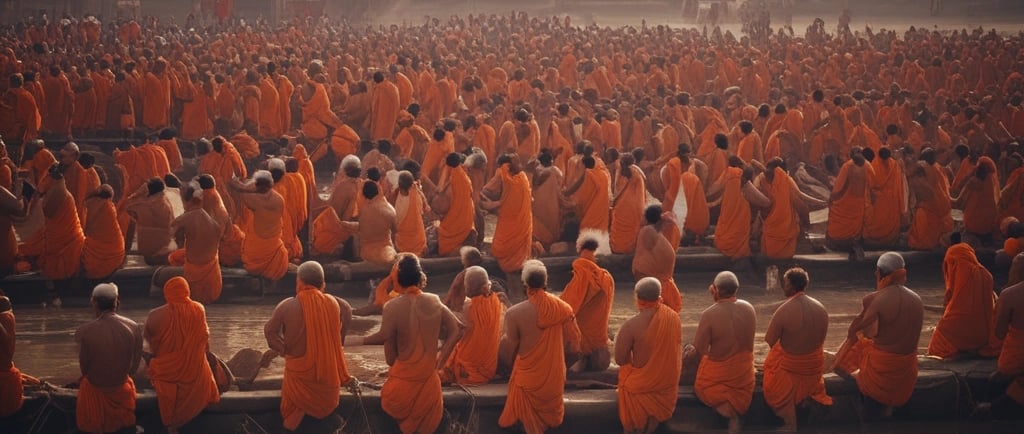
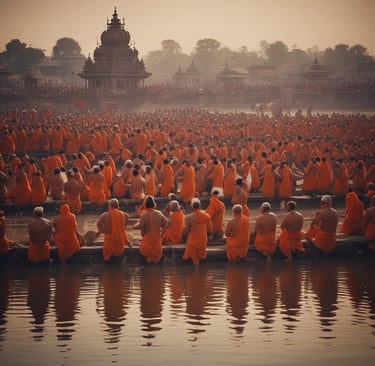
Ujjain Simhastha 2028, also known as the Simhastha Kumbh Mela, is a grand Hindu pilgrimage held every 12 years in Ujjain, Madhya Pradesh, on the banks of the sacred Shipra River. This edition, spanning from March 27 to May 27, 2028—a full two months—promises to draw millions of devotees for ritual bathing, spiritual discourses, and akharas processions, emphasizing its role in purifying sins and attaining moksha.
Shobhit Goyal
1/1/20267 min read
Introduction to Simhastha: A Brief Overview
Simhastha, often recognized as one of the most significant spiritual events in Hinduism, occurs once every twelve years. This grand gathering, primarily hosted in the ancient city of Ujjain, India, draws millions of pilgrims and spiritual seekers who come together to partake in sacred rituals and collective spirituality. The festival's roots can be traced back to various ancient texts and scriptures, particularly the Puranas, which highlight the belief in the celestial event when it is said that nectar of immortality (amrita) was spilled in Ujjain, thus rendering it a profoundly auspicious location for spiritual cleansing and renewal.
The historical significance of Simhastha extends beyond mere rituals; it embodies a rich tapestry of cultural, spiritual, and communal interactions. The event mirrors the Kumbh Mela, which is considered the largest religious gathering worldwide. While both festivals share a common theme of spiritual purification through sacred baths in the holy rivers, Simhastha specifically emphasizes the deep-seated traditions associated with Ujjain, the city that honors the astrological position of Jupiter, or Brihaspati, which plays a pivotal role in determining the timing of the event.
Over the years, Simhastha has evolved into a multi-faceted experience, embracing modern interpretations while staying true to its traditional roots. The festival features a variety of spiritual practices, including ritual baths, yoga sessions, and discourses by revered saints and scholars. These activities not only serve to enhance personal spirituality but also foster a unique sense of community among participants. As the countdown for Simhastha 2028 begins, anticipation grows for this remarkable congregation that promises to rejuvenate the spirits of countless devotees and further reinforce the enduring values of Hindu culture.
Ujjain: The Sacred City Preparing for Simhastha 2028
Ujjain, one of the seven Mukti Sthal revered in Hinduism, is fervently preparing for the upcoming Simhastha Kumbh Mela in 2028. As millions of devotees are expected to gather, the city is undergoing extensive transformations to accommodate the anticipated influx. To enhance infrastructure, the local government is investing significantly in road construction, aimed at improving accessibility to major religious sites such as the Mahakaleshwar Temple and the banks of the Shipra River.
In addition to road upgrades, the city is focusing on enhancing accommodation facilities. Various pilgrim facilities are being upgraded, including the development of dormitories and guesthouses that meet modern standards. The infrastructure plan also incorporates sanitation projects to ensure hygiene during the event. With the increase in visitors, these improvements are critical for the comfort and safety of participants during the spiritual festivity.
The beautification of Ujjain is another significant aspect of the preparations. City officials are enhancing public spaces and streetscapes with floral decorations, sculptures, and improved lighting. This planning reflects a holistic approach to city management, aimed not only at functional efficiency but also at the aesthetic appeal of the city. Local artisans are involved in crafting beautiful installations to create an inviting atmosphere for pilgrims and tourists alike.
Moreover, Ujjain is emphasizing its cultural heritage by organizing workshops and events leading up to Simhastha 2028, showcasing the local art and traditions that define the city. With these developments well underway, Ujjain is poised to welcome devotees from across the globe, aiming to provide an unforgettable spiritual experience during the grand gathering.
Historical Significance of Simhastha and Its Impact on Hindu Community
The Simhastha Kumbh Mela, one of the largest religious gatherings in the world, holds profound historical significance for the Hindu community. This ancient event traces its roots back to Vedic times, where it marked a confluence of spirituality, pilgrimage, and communal harmony. The Simhastha, which is celebrated every 12 years, not only commemorates traditional beliefs but also attracts millions of pilgrims from across the globe, making it an unparalleled expression of faith and devotion.
Historically, the rites associated with Simhastha are anchored in the mythological tale of the churning of the ocean, where the nectar of immortality (amrit) was unearthed. The belief holds that taking a dip in the sacred waters of the Kshipra River during this significant event cleanses individuals of their sins and paves the way for spiritual elevation. This has led to the establishment of a profound pilgrimage culture surrounding Simhastha, connecting generations through shared rituals and collective experiences.
Furthermore, Simhastha functions as a unifying force within the Hindu community, fostering a sense of identity and belonging. The event brings together diverse sects, spiritual leaders, and devotees, transcending geographical and cultural boundaries. With each iteration of Simhastha, there is a revival and reinforcement of cultural heritage through music, dance, and teachings, thus nurturing a continuous narrative of spirituality.
As a gathering of immense scale, Simhastha represents not only the faith of its participants but also serves as a reminder of the rich tapestry of traditions that define Hinduism. The event is instrumental in perpetuating ancient customs while simultaneously adapting to modern times. By creating an inclusive environment for dialogue and interaction among various sects, Simhastha endeavors to strengthen community ties and inspire deeper spiritual understanding.
Timings and Key Events for Simhastha 2028: What to Expect
Simhastha 2028 in Ujjain is set to be a grand event, attracting millions of devotees from all over the world. Scheduled for 2028, the festival's significant dates and key events have already begun to generate excitement among participants. The auspicious event will unfold starting from the month of April, continuing through the month of May, with the exact dates carefully determined by astrological calculations.
The festival officially commences with the Snan (bathing) ceremonies, which are deemed sacred and highly important for all pilgrims. One of the primary days of bathing, known as the 'Mahapurnima Snan,' will occur on May 3, 2028. On this day, devotees will gather at the banks of the Shipra River to perform various rituals and partake in the holy dip, believed to cleanse one’s soul and absolve sins.
Moreover, each day will feature a series of rituals, processions, and cultural programs aimed at showcasing the rich tradition of Hinduism. Key events include the presence of various Akhadas (monastic orders), each holding their significant procession on different dates, culminating on the day of the main Kumbh Snan. The distribution of free food (langar) and medical camps are additional features, fostering a sense of community among attendees.
Astrology plays a crucial role in determining not only the dates of the festival but also the timing of specific rituals. Hindu astrology, or Jyotisha, guides devotees on the most auspicious times to perform various religious rites. This careful planning seeks to align celestial influences with earthly celebrations, ensuring that the rituals conducted hold maximum spiritual merit. In this way, Simhastha 2028 promises a blend of devotion, community spirit, and rich cultural heritage as devotees prepare to mark this significant occasion.
The Importance of Ujjain and Its Sites for Pilgrims
Ujjain holds an esteemed position among the sacred cities of India, revered primarily for its rich spiritual heritage and ancient practices. The city, located on the banks of the Shipra River, is one of the four sites of the Kumbh Mela, which is held every 12 years, attracting millions of devotees and pilgrims. Among the significant religious landmarks in Ujjain, the Mahakaleshwar Temple stands out as a principal site of worship. This temple is one of the twelve Jyotirlingas dedicated to Lord Shiva and holds immense significance for Hindus, symbolizing the divine and eternal aspect of divine energy.
During the Simhastha, an astrological phenomenon taking place once in a decade, the Mahakaleshwar Temple becomes a focal point for countless pilgrims. The rituals conducted here are considered vital for spiritual cleansing and the attainment of long-lasting peace and prosperity. Additionally, the Kshipra River is celebrated for its purity, and a holy dip in its waters during Simhastha is believed to cleanse sins, further reinforcing Ujjain's status as a pivotal pilgrimage destination.
Other notable sites in Ujjain include the Kal Bhairav Temple, known for its unique deity, and the Sandipani Ashram, which is believed to be the residence of Lord Krishna’s teacher, Sandipani. These sites contribute richly to the religious landscape of Ujjain, offering pilgrims numerous opportunities for worship and reflection. The city’s temples and shrines serve as a testament to the vibrant spiritual life that thrives here, making Ujjain not just a geographical location but a profound spiritual experience for visitors. As the countdown to the Ujjain Simhastha 2028 begins, the significance of these sites continues to draw devotees eager to participate in this grand gathering.
Innovative Concepts and Arrangements for Simhastha 2028
As the countdown to Simhastha 2028 begins, a plethora of innovative concepts and arrangements are being introduced to enhance the overall experience for the millions of devotees expected to attend this grand spiritual gathering. The Ujjain Simhastha, known for its religious significance and colossal scale, aims to incorporate modern technology and eco-friendly practices to facilitate a smoother pilgrimage journey.
One of the most exciting developments is the integration of digital innovations. Mobile applications will be designed specifically for the event, providing real-time information on rituals, accommodation, transportation, and crowd management. These apps will also feature maps, enabling devotees to navigate the city and locate important sites effortlessly. Additionally, live streaming options will be available for those who wish to partake in the spiritual activities but cannot attend in person, fostering a sense of community among devotees worldwide.
Furthermore, sustainability initiatives will play a crucial role in the upcoming Simhastha. Organizers are set to implement eco-friendly arrangements, such as waste management systems with recycling options, solar-powered amenities, and the use of biodegradable materials for all event-related products. Emphasis will also be placed on promoting green practices among attendees, encouraging carpooling and the usage of public transport to minimize the carbon footprint associated with this vast event.
In addition to technological advancements and eco-conscious measures, enhanced facilities will be established to ensure the well-being of the pilgrims. Adequate rest areas, medical camps, and sanitation facilities will be strategically placed throughout the event site. These arrangements aim to provide comfort and safety, contributing to the overall positive experience for the individuals who embark on this spiritual journey.
Conclusion: Anticipating a Transformative Experience
The preparations for Simhastha 2028 are well underway, and the excitement is palpable among the Hindu community and visitors alike. As Ujjain gears up to host this monumental event, various initiatives are being implemented to ensure a seamless experience for all attendees. From infrastructural enhancements to accommodations and safety measures, city officials and event organizers are committed to creating an environment that honors the spiritual and cultural significance of the Kumbh Mela.
This gathering, known for its historical and religious importance, promises to be a transformative experience for participants and onlookers. The convergence of millions of devotees and tourists not only enriches the spiritual experience but also fosters community engagement and cultural exchange. The anticipated celebrations will offer a unique opportunity to immerse oneself in rituals, traditions, and diverse expressions of devotion, thereby reinforcing communal ties within the broader Hindu community.
By attending Simhastha 2028, individuals can partake in rituals that have been practiced for centuries, connecting the past with the present while reinforcing their spiritual journey. Engaging with the preparations can further enhance this experience, as contributions—whether volunteering, facilitating events, or simply spreading the word—can lead to a more enriching festival atmosphere. With such a grand gathering on the horizon, the call to participate in this extraordinary spiritual journey is imperative.
In conclusion, as we look ahead to Simhastha 2028, the anticipation surrounding this grand event reflects not just a celebration of faith, but also an opportunity for transformation. We encourage everyone to immerse themselves in the preparations, whether by attending the event, volunteering, or simply sharing the experience with others. The essence of Simhastha 2028 goes beyond the religious facets, embodying a spirit of unity, reflection, and renewal for all involved.
Contact
Let's connect and grow your digital presence.
Phone
info@shobhitgoyal.com
+918103354280
© 2025. All rights reserved.
UDYAM REGISTRATION NUMBER :- UDYAM-MP-49-0093568