Mahakaleshwar Temple in Ujjain
Mahakaleshwar Temple in Ujjain stands as one of India's most revered Jyotirlingas, embodying Lord Shiva's eternal dominion over time. This sacred site draws millions for its unique rituals and profound spiritual aura. Legendary Origins A devotee boy named Shrikhar worshipped a Shiva lingam amid threats to Ujjain's King Chandrasena, prompting Lord Shiva to manifest as Mahakaleshwar to protect the city. Ancient texts trace the temple to the 6th century CE under Chandragupta II, with coins bearing Shiva's mark unearthed nearby. The self-manifested (svayambhu) south-facing lingam symbolizes Shiva's unparalleled power among the 12 Jyotirlingas. Architectural Marvel The current structure blends Maratha, Chalukya, and Bhumija styles, featuring a five-story edifice with intricate carvings and massive walls built in the 18th century by Maratha Diwan Ramachandra Sukthankar. It endured destructions by invaders like Iltutmish in 1235 and later Khaljis, only to be revived under Paramaras and Marathas. Underground chambers house ancient idols, adding to its mystical allure. Signature Rituals The Bhasma Aarti at dawn, where sacred ash is offered on the lingam, remains exclusive and deeply moving, requiring prior booking. Evening Mangala Aarti and the Kal Bhairav connection enhance its rituals, with devotees offering liquor at the nearby shrine. The temple links to Ujjain's role as India's prime meridian for astronomical calculations. Key Highlights Spiritual Significance: Grants moksha and controls destiny as "Mahakal" (Great Time). Festivals: Peaks during Simhastha Kumbh Mela and Mahashivratri with massive gatherings. Surroundings: Adjoins Koti Tirth Kunda and Pataleshwar Cave, ideal for immersive darshan. Visiting Tips: Arrive early for aartis; modest attire mandatory; online passes advised. Practical Advice Explore via guided tours for hidden lore, stay vigilant against crowds, and combine with Shipra River dips for complete pilgrimage. Contact trusted services for seamless visits tailored to needs.
Shobhit Goyal
12/29/20257 min read
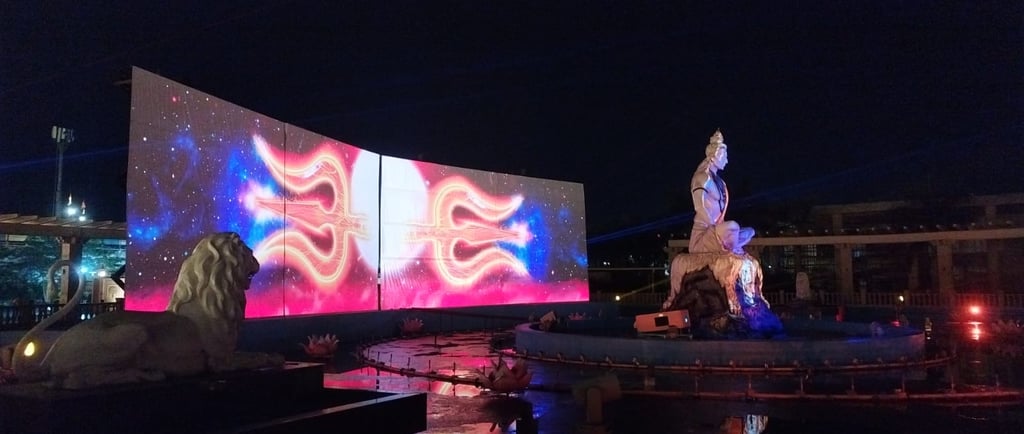
Mahakaleshwar Temple in Ujjain
Architectural Marvel
The Mahakaleshwar Temple in Ujjain stands as a prominent example of Indian temple architecture, renowned for its intricate design and historical significance. This revered temple, dedicated to Lord Shiva, showcases a harmonious blend of various architectural styles that have evolved over centuries. It is primarily constructed in the Nagara style, characterized by its towering shikharas (spires) that reach skywards, symbolizing the connection between the earthly and the divine.
The temple's structure is an amalgamation of granite and marble, which not only provides durability but also enhances its grandeur. The central sanctum, or garbhagriha, is approached through a series of intricately carved doors that depict divine motifs and scenes from Hindu mythology. The usage of stone carving techniques exemplifies the craftsmanship of artisans who dedicated their skills to this significant religious site.
One remarkable aspect of the Mahakaleshwar Temple is its incorporation of various architectural elements from different periods. Historical records indicate that the temple underwent several renovations, the most significant being during the Maratha period when intricate decorative features were added. Noteworthy architects, such as the famous Maratha king Shivaji's chief architect, are believed to have contributed to the temple's revival, resulting in the resplendent edifice that stands today.
Additionally, the temple's main idol of Lord Shiva is in a unique position, representing the only Swayambhu (self-manifested) Jyotirlinga in the country, which adds to the temple's distinctiveness. The architectural design harmoniously aligns with the spiritual ambiance, enhancing the pilgrimage experience for visitors who come to seek blessings.
Creating a space that not only serves religious functions but also captivates visitors with its aesthetic beauty, the Mahakaleshwar Temple remains an architectural marvel, entwined deeply with the cultural fabric of Ujjain.
Signature Rituals
The Mahakaleshwar Temple, renowned as one of the twelve Jyotirlingas in India, is a pivotal pilgrimage site for devotees seeking blessings from Lord Shiva. The unique rituals at this temple not only enhance the spiritual atmosphere but also attract visitors from across the country, eager to engage in the divine experience these ceremonies offer. Among the most notable rituals performed here is the Bhasma Aarti, which holds immense significance. This ritual involves the offering of ashes, symbolizing the cycle of life and death, and the dawn homage to Lord Shiva. Conducted every morning at approximately 4:00 AM, the Bhasma Aarti captivates devotees with its profound elements of spirituality, making it a compelling reason for many to visit the temple.
In addition to the Bhasma Aarti, the daily worship practices at Mahakaleshwar include various offerings and chanting of hymns. These ceremonies foster a deep connection between the worshippers and the divine, allowing individuals to immerse themselves in an atmosphere rich with devotion and fervor. The daily rituals are meticulously performed by temple priests, who uphold traditions that have been passed down through generations, thus maintaining the sanctity of the practices involved.
Furthermore, during festival seasons such as Shivratri, special rites and ceremonies elevate the spiritual experience to new heights. On these occasions, not only is the temple adorned with decorations, but the volume of rituals amplifies, appealing to the senses of the devotees. Such celebrations underscore the importance of community and collective worship, drawing large crowds who partake in elaborate processions and offerings to the deity. The impact of these rituals helps forge a deeper spiritual bond among visitors, contributing to a memorable experience that many carry with them long after leaving the shrine.
Key Highlights
The Mahakaleshwar Temple in Ujjain is renowned for its profound spiritual significance and architectural grandeur, drawing pilgrims and tourists alike. Central to the temple complex is the shrine of Mahakaleshwar, one of the twelve Jyotirlingas in India, dedicated to Lord Shiva. This revered shrine boasts a magnificent idol of the deity, which is said to be self-originated. The idol stands at approximately five feet and is adorned with elaborate decorations, making it a focal point for worshippers.
Another notable feature of the Mahakaleshwar Temple complex is the Koti Tirtha, a sacred water tank that is steeped in mythology. Believed to possess healing properties, the Koti Tirtha serves as an important site for ritual baths, especially during auspicious occasions. Pilgrims often visit to offer their prayers, and the serene waters of the tank are a sight to behold.
The temple complex itself is an architectural marvel, showcasing intricate carvings and sculptures that narrate various tales from Hindu mythology. The grandeur of the temple's entrance, with its towering spires, captivates visitors and sets the stage for a truly divine experience. Additionally, the festive atmosphere during the evening aarti, where devotees gather to participate in the ritualistic worship, adds to the spiritual ambiance of the temple.
Moreover, the surrounding area is dotted with numerous smaller shrines, other temples, and religious structures that enhance the spiritual experience of those visiting Mahakaleshwar. The entire complex not only serves as a pilgrimage destination but also offers historical insights into the culture of the region. Thus, the Mahakaleshwar Temple remains a must-visit site for those seeking both spiritual solace and a glimpse into India's rich heritage.
Spiritual Significance
The Mahakaleshwar Temple, situated in the ancient city of Ujjain, is revered as one of the twelve Jyotirlingas dedicated to Lord Shiva, embodying immense spiritual significance within Hinduism. As a sacred site, it symbolizes the eternal presence of the divine and the seamless connection between the earthly realm and the cosmic universe. This temple not only attracts millions of devotees each year but also serves as a focal point for spiritual exploration and enlightenment.
Mythologically, Mahakaleshwar is said to have been established by Lord Shiva himself, as the legend narrates that Lord Shiva fought against the demon Dushana and emerged victorious, earning the stature of Mahakal. This battle symbolizes the victory of good over evil, offering a powerful narrative that resonates with the themes of justice and divine intervention. The temple, therefore, pulsates with energy, drawing pilgrims who seek solace and divine blessings in times of need.
Furthermore, the concept of time and eternity, which is intricately woven into Hindu philosophy, finds its expression at the Mahakaleshwar Temple. Unlike traditional human understanding of time, where it is linear and finite, this temple represents the cyclical nature of time—birth, death, and rebirth—echoing the belief in reincarnation. The profound significance of this duality enhances the spiritual experience of the visitors, urging them to contemplate their existence and the transient nature of life.
For many devotees, the Mahakaleshwar Temple acts as a spiritual sanctuary, providing a place for introspection and communion with the divine. The rituals and offerings made at the temple foster a deep sense of connection between the individual and the cosmos, allowing individuals to shed worldly burdens and seek enlightenment. In its essence, Mahakaleshwar is not just a temple; it is a realm where time stands still, inviting seekers to embark on a journey of self-discovery and spiritual awakening.
Festivals
The Mahakaleshwar Temple in Ujjain is not only an architectural marvel but also a vibrant hub of spirituality, especially during its major festivals. One of the most significant occasions is Mahashivratri, celebrated annually in honor of Lord Shiva. This festival attracts thousands of devotees from across the country, who gather to participate in rituals and ceremonies that last throughout the night. Devotees often observe fasts, chant mantras, and engage in night-long vigils, making it a deeply spiritual experience.
During Mahashivratri, the temple is adorned with flowers, lights, and elaborate decorations. Special pujas (prayers) are conducted, and the atmosphere is electric with devotion and excitement. The rituals include bathing the Shiva Lingam with milk, honey, and ghee, which is believed to purify the soul and bring blessings. These traditional practices hold profound significance, reinforcing the connection between the devotees and the divine.
Another remarkable festival celebrated at the Mahakaleshwar Temple is the Navratri, a nine-night festival dedicated to Goddess Durga. Although primarily associated with Goddess Durga, these festivities see a unique blend of traditions as devotees also honor Lord Shiva during this period. The spirit of community prevails as people gather for cultural performances, dance, and prayer, enhancing the temple's vibrant cultural atmosphere.
The festivals at Mahakaleshwar Temple do not merely signify religious practice; they are a rich tapestry of cultural heritage. These celebrations foster a sense of unity among devotees, strengthen spiritual connections, and promote communal harmony. Each ceremony enhances the divine ambiance of the temple, allowing for both personal reflection and collective devotion in an environment steeped in history and spirituality.
Surroundings
The Mahakaleshwar Temple, a revered site in Ujjain, is not only significant for its religious importance but also for its enchanting surroundings. Nestled along the banks of the sacred Shipra River, the temple's location complements the spiritual experience with natural beauty. The serene waters of the river provide a tranquil backdrop, enhancing the ambiance and inviting visitors to reflect and meditate.
In the vicinity of the temple, one can find several notable attractions that enrich the visitor's experience. Nearby, the famous Kaliadeh Palace stands as a historical landmark, offering insights into the architectural grandeur of the past. Its lush gardens and regal structure invite both history buffs and casual tourists to explore the remnants of the ruling dynasties of Malwa.
The local markets around Mahakaleshwar Temple add a vibrant flavor to the visit. Stalls brimming with colorful religious artifacts, floral offerings, and traditional sweets beckon pilgrims and tourists alike. The scent of incense and fresh flowers permeates the air, creating an immersive spiritual experience that is integral to the temple visit. Engaging with local vendors not only enhances the overall visit but also provides an opportunity to understand the culture and traditions that flourish in Ujjain.
Additionally, the atmosphere of devotion is palpable, especially during the daily ‘bhasma aarti,’ which draws hundreds of devotees eager to witness this spectacular ritual. The sounds of religious chants and distant temple bells create an ethereal ambience that resonates with believers and visitors. As one strolls through the areas surrounding the temple, the intermingling of natural beauty, local commerce, and rich culture profoundly contribute to making the Mahakaleshwar Temple experience memorable and spiritually enriching.
Visiting Tips and Practical Advice
Visiting Mahakaleshwar Temple in Ujjain can be a deeply enriching experience, and proper planning can enhance your visit. To make the most of your journey, consider the following tips.
Firstly, the best time to visit the temple is during the early morning hours, preferably before 7 AM, when the aarti (a ceremonial offering of light) takes place. This time usually offers fewer crowds, allowing for a more serene experience. Additionally, visiting during the Hindu festival of Mahashivaratri provides an opportunity to witness vibrant rituals and festive atmospheres, though it may be crowded.
Regarding dress code, visitors are advised to dress modestly, as the temple is a sacred site. Both men and women should wear traditional Indian attire if possible; women may opt for sarees or salwar kameez, while men can wear kurta-pajama. It is also important to remove shoes before entering the temple premises, so plan accordingly.
Familiarizing yourself with local customs can enhance your visit. Be respectful of ongoing prayers and rituals, and maintain a peaceful demeanor. Photography is often restricted in certain areas, especially where worship is actively taking place, so it is advisable to inquire and adhere to the rules.
For accommodation, Ujjain offers various options ranging from budget to luxury hotels and dharamshalas (guesthouses). Booking in advance during peak seasons is recommended to secure your stay amidst high demand.
As for transportation, Ujjain is well-connected by rail and road. Local auto-rickshaws and taxis are available for easy navigation within the city, making it convenient to reach the temple and surrounding attractions.
These practical considerations will help ensure that your visit to the Mahakaleshwar Temple is not only religiously fulfilling but also smooth and enjoyable.
Contact
Let's connect and grow your digital presence.
Phone
info@shobhitgoyal.com
+918103354280
© 2025. All rights reserved.
UDYAM REGISTRATION NUMBER :- UDYAM-MP-49-0093568