The Majestic Mahakal Sawari: A Journey Through Heritage and Devotion
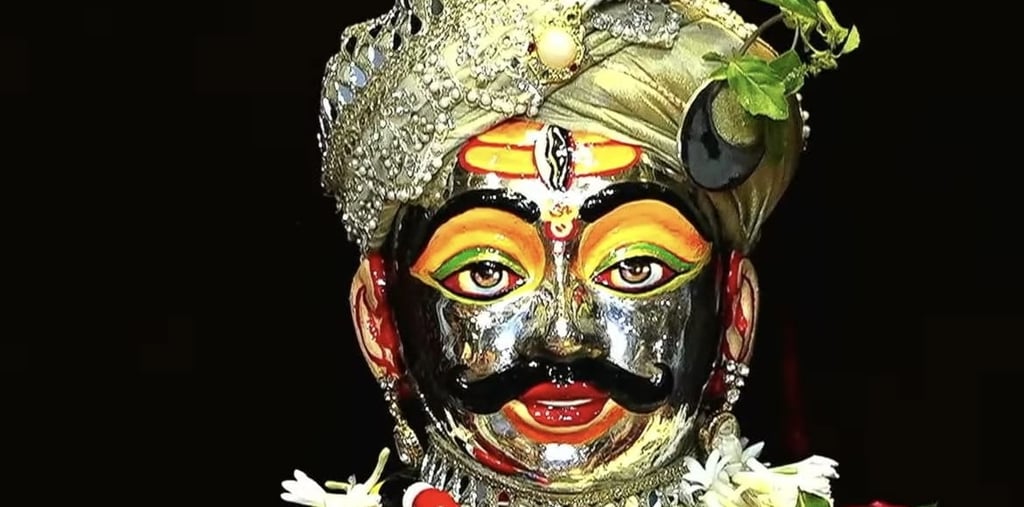
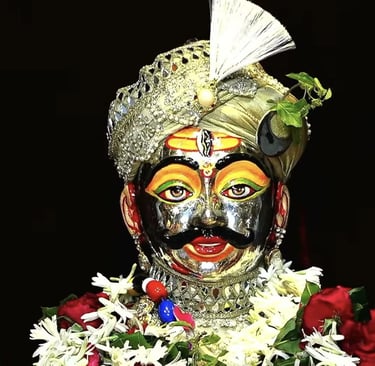
The Mahakal Sawari is an illustrious and grand procession that celebrates Lord Mahakal, who is reverently known as Mahakaleshwar. This vibrant event occurs annually in Ujjain, Madhya Pradesh, a city rich in cultural and spiritual heritage. The Sawari is not merely a parade; it represents a significant spiritual gathering for devotees, as it enhances their connection to divinity and embodies their unwavering faith.
Shobhit Goyal
1/7/20267 min read
Introduction to Mahakal Sawari
The Mahakal Sawari is an illustrious and grand procession that celebrates Lord Mahakal, who is reverently known as Mahakaleshwar. This vibrant event occurs annually in Ujjain, Madhya Pradesh, a city rich in cultural and spiritual heritage. The Sawari is not merely a parade; it represents a significant spiritual gathering for devotees, as it enhances their connection to divinity and embodies their unwavering faith.
Each year, thousands of devotees participate in the Mahakal Sawari, drawn by the promise of witnessing a miraculous event that goes beyond the mundane. As the idol of Lord Mahakal is beautifully adorned and paraded through the streets, it creates an atmosphere of reverence and devotion. The procession showcases not only the religious significance but also the rich traditions and artistic expressions of the region. Elaborate decorations, traditional music, and vibrant performances come together to create an enchanting experience that resonates with the spirituality of the moment.
The Mahakal Sawari serves as a unique bridge connecting the spiritual and temporal worlds. It allows devotees to express their gratitude, seek blessings, and experience a communal sense of faith. As the procession winds its way through the historic lanes of Ujjain, participants feel a profound connection to Lord Mahakal, reinforcing the importance of faith and devotion. This sacred event invites attendees to immerse themselves in the divine presence and share in the collective spirituality that defines this extraordinary occasion.
Ultimately, the Mahakal Sawari embodies the essence of faith and tradition, inviting individuals to reflect on their spiritual journey while celebrating the magnificence of Lord Mahakal. The vibrancy of this procession is a testament to the unwavering devotion of the people and their enduring connection to their cultural heritage.
Historical Background of the Mahakal Sawari Tradition
The Mahakal Sawari represents a significant ritual that intertwines historical reverence and cultural identity within the context of Hindu traditions. This awe-inspiring tradition has its roots traced back to the ancient practices of worship in the region surrounding the revered Mahakaleshwar Temple in Ujjain, Madhya Pradesh. It is a spectacle that manifests devotion towards Lord Shiva, one of the principal deities of Hinduism, known as Mahakal in this locale, emphasizing his overarching influence and benevolence.
The exact origins of the Mahakal Sawari are cloaked in mystique, but historical texts suggest that the tradition may have been formalized in the 18th century under the rule of the Maratha kings, who were instrumental in reviving various cultural practices. The Mahakal Sawari has evolved from simple processions to elaborate celebrations, demonstrating the rich tapestry of religious fervor and local customs. Each year, on the festival of Maha Shivaratri, devotees partake in the Sawari, dressing the idol of Mahakal in resplendent attire and transporting it through the town. This act symbolizes the divine journey of Mahakal, inviting blessings and participation from the community.
Furthermore, ancient scriptures and local folklore reinforce the sanctity of the Sawari, showcasing its importance in the spiritual landscape of Ujjain. Puranic texts recount instances of devotees performing the Sawari as an offering to Lord Shiva, reinforcing the belief in the transformative power of faith. Over the centuries, as the Mahakal Sawari tradition has proliferated, it has encompassed various elements of local culture, including folk art, music, and community involvement, thereby embodying an ever-evolving cultural expression of devotion.
Origins of the Harihar Milan Route
The Harihar Milan route, integral to the Mahakal Sawari, is steeped in historical and religious significance. This path, adopted by devotees, weaves through the sacred city of Ujjain, connecting various temples and sites of reverence. Historically, the route was selected due to its proximity to significant religious landmarks, facilitating a spiritual pilgrimage that embodies the essence of devotion and community. This connection with other sacred sites amplifies the importance of the procession, making it not just a simple journey but, rather, a profound spiritual experience.
Devotees believe that the Harihar Milan route is auspicious, laden with divine blessings. Legend has it that this path was once traversed by saints and sages who sought companionship and unity with their deities. The historical significance of the route encapsulates moments of devotion where families and communities united in worship, reinforcing the sense of shared spirituality. The picturesque journey through this route involves various stopping points where devotees often offer prayers, participate in rituals, and reflect on their spiritual journeys.
As the Mahakal Sawari has evolved over the decades, the route remains a testament to the enduring nature of tradition. It serves as a reminder of the intertwined narratives of the city's past and the present. Each footstep taken along the Harihar Milan route symbolizes not only a connection to the divine but also to the cultural heritage of Ujjain. This pilgrimage route is more than merely a path; it represents a woven tapestry of faith, history, and collective memories that continue to inspire and bind devotees in a shared reverence for Mahakal.
Changes in the Mahakal Sawari Route Over Time
The Mahakal Sawari, a significant ritual procession in Ujjain, has transformed its route numerous times through history. Originally, the procession followed narrow lanes connecting various temples around the Mahakaleshwar Temple. However, as the city evolved and urbanization took hold, the route underwent modifications to accommodate a growing number of devotees and enhance accessibility.
In the earlier days, the Sawari primarily passed through settlements that were less populated, establishing a deeper connection between the procession and local communities. However, with the influx of visitors during festivals such as Mahashivratri, it became essential to broaden the pathways to facilitate smoother movement. As a result, the organizers began rerouting the procession through major roads that could better accommodate large crowds.
Several socio-political factors have also influenced these changes. For instance, local governance decisions aimed at improving public safety and infrastructure have driven modifications in the Sawari route. Additionally, cultural revitalization efforts to boost tourism have prompted authorities to promote a more expansive route that highlights other significant landmarks associated with Lord Shiva, thus intertwining heritage with modern development.
The impact of these changes is palpable not only on the participants but also on the local community. The broader pathways facilitate greater participation from a diverse audience, enhancing communal harmony and shared devotion. On the other hand, some long-term residents express nostalgia for the earlier, more intimate routes, which offered deeper personal engagement with the rituals. Nevertheless, the evolving Mahakal Sawari continues to reflect both tradition and the dynamic nature of the community it serves, sustaining its importance in the cultural tapestry of Ujjain.
Government Support for Mahakal Sawari Events
The government plays a pivotal role in facilitating the Mahakal Sawari events, which are renowned for their cultural and religious significance. Initiatives taken by various governmental bodies are critical in ensuring that these festivities run smoothly and safely. Annually, substantial funding is allocated to organize large-scale celebrations around the Mahakal temple, which houses Lord Shiva as its primary deity. This funding is utilized for multiple purposes, including security, infrastructure improvements, and promotional activities aimed at attracting more devotees and tourists to the region.
Infrastructure development is one of the core focuses of government support. Enhancements to roads leading to the temple, as well as improvements in public transport systems, have made it easier for pilgrims to access the festivities. Additionally, temporary facilities such as medical camps, sanitation services, and information kiosks are established to aid thousands of participants during the Mahakal Sawari. This not only ensures a smoother experience for attendees but also demonstrates the government’s commitment to public welfare during large-scale religious gatherings.
Local authorities are instrumental in enhancing the overall experience for devotees. They coordinate with various departments to implement measures that ensure safety and convenience. This includes deploying police forces to manage crowds effectively, as well as organizing volunteer teams to assist with crowd control and provide guidance. Moreover, cultural programs and devotional performances are often sponsored by local governments, enriching the Mahakal Sawari experience and cultivating a deeper connection between the devotees and the cultural heritage of the region.
Role of Local Community and Devotees in the Sawari
The Mahakal Sawari is not merely a religious procession; it is a vibrant tapestry woven by the hands of local communities and diligent devotees. Their active participation is pivotal in orchestrating the grand festivities surrounding this significant event. Individuals, groups, and organizations come together with a shared purpose—celebrating cultural heritage while deepening their collective faith.
The organization of the Mahakal Sawari typically involves extensive collaboration among local devotees, who take on various roles. From planning the logistics to managing the procession route, community members contribute their time and efforts unequivocally. Several community-based organizations also participate, bringing together resources, including volunteers, materials, and funds to ensure the sustainability of the event. Their involvement not only facilitates a smooth execution but also enhances the sense of community and belonging among participants.
In addition to traditional roles, new initiatives have emerged that aim to make the Sawari more inclusive. For instance, local schools and educational institutions often engage students to participate in cultural performances during the Sawari, showcasing the artistic talents of the younger generations while nurturing their spiritual connection to Mahakal. Furthermore, local businesses and artisans contribute by setting up stalls that promote local crafts and cuisine, enhancing both the economic and cultural vibrancy of the event.
Moreover, social media platforms have empowered devotees to share their experiences and promote a sense of unity. Online groups and forums now serve as platforms where people can connect, share ideas, and collaborate on new initiatives to enhance the Mahakal Sawari experience. This blend of traditional participation with modern communication media reflects the progressive nature of community involvement, ensuring that the heritage of the Mahakal Sawari continues to evolve while remaining rooted in its rich history.
Global Participation and Appeal of Mahakal Sawari
The Mahakal Sawari has transcended geographical boundaries, drawing an increasing number of participants from all corners of the globe. This annual event, celebrated in Ujjain, India, is not merely a local festivity; it has morphed into a vibrant cultural platform that welcomes devotees from diverse backgrounds. Many international visitors journey to Ujjain, eager to experience the spiritual ambiance and the rich heritage associated with this revered occasion. Their presence highlights the pervasive allure of Mahakal Sawari, where tradition meets the global community.
One notable aspect of the Mahakal Sawari is the cultural exchange that occurs among attendees. Devotees from various countries contribute their own traditions, rituals, and perspectives, enhancing the experience for everyone involved. This amalgamation of cultures fosters a sense of unity and shared devotion, allowing participants to break through language barriers and connect on a spiritual level. For many foreign devotees, the Mahakal Sawari serves as a transformative experience that transcends material boundaries, encouraging them to embrace the values of compassion, love, and faith.
Furthermore, globalization has significantly impacted the Mahakal Sawari, facilitating greater access to information and travel options. The rise of social media and digital platforms has allowed devotees to share their experiences and engage with a wider audience. The event is now often promoted through various online channels, enticing individuals who may have previously been unaware of its significance. This increased visibility has only added to the event's popularity, as potential attendees are inspired to partake in the festivities, whether they are seeking spiritual growth or simply an appreciation of cultural richness.
Contact
Let's connect and grow your digital presence.
Phone
info@shobhitgoyal.com
+918103354280
© 2025. All rights reserved.
UDYAM REGISTRATION NUMBER :- UDYAM-MP-49-0093568