An In-Depth Guide to Mahakal Bhasma Arti: Worshipping the King of Ujjain
Mahakal Bhasma Aarti is a sacred early-morning ritual at Ujjain's Mahakaleshwar Temple, one of India's 12 Jyotirlingas, where priests apply holy ash (bhasma or vibhuti) to the Shiva Lingam while chanting Vedic mantras. Ritual Significance This unique aarti symbolizes life's impermanence, renunciation of worldly attachments, and Shiva's role as Mahakal, the lord of time and destroyer of illusion. The ash, once sourced from cremation grounds but now sacred vibhuti, purifies the soul and evokes detachment from ego.
Shobhit Goyal
1/7/20268 min read
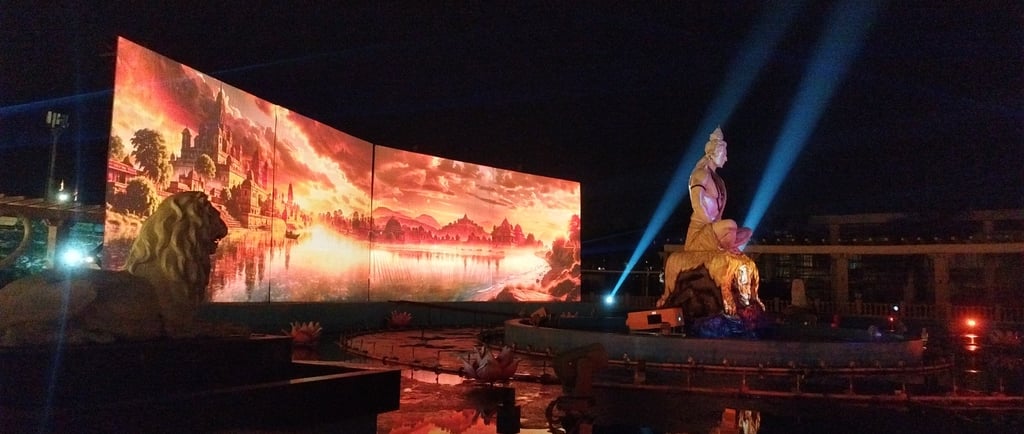
Mahakal Bhasma Arti is a revered ritual dedicated to Lord Mahakaleshwar, who is considered one of the most significant deities in Hinduism, especially within the tradition of Shaivism. Located in the vibrant city of Ujjain, the Mahakaleshwar Temple stands as a sacred site that attracts thousands of devotees from all corners of India and beyond. The Bhasma Arti is an essential part of the worship rituals performed here, symbolizing the destruction of evil and the nourishment of the spiritual self.
Lord Mahakaleshwar is known as the king of Ujjain and is regarded as a manifestation of Lord Shiva. His idol, which faces south, is believed to represent a dynamic form of divinity, and devotees pray to him for protection, strength, and spiritual elevation. The city of Ujjain itself holds tremendous significance in Hindu mythology and is considered one of the seven Mukti Sthal, where the soul can attain liberation.
The Bhasma Arti ritual, which involves the offering of sacred ash (bhasma) to the deity, is particularly special as it represents the transient nature of life and highlights the importance of renouncing material attachments. Conducted typically at sunrise, this ritual consists of chanting sacred hymns, invoking the energies of Lord Shiva, and performing elaborate offerings. The atmosphere during the Bhasma Arti is imbued with devotion, as the aroma of incense and the ringing of temple bells resonate with profound spiritual energy.
The historical roots of Mahakal Bhasma Arti can be traced back to ancient times, where various scriptures and texts document its significance in Hindu practices. It is not merely a ceremonial act; rather, it is a powerful affirmation of faith, reflecting the rich cultural heritage of India. The ritual represents a deeper connection between the devotee and the divine energy, fostering spiritual growth and reinforcing the belief in the protective presence of Lord Mahakaleshwar.
Understanding the Ritual of Bhasma Arti
Bhasma Arti, a significant ritual in the worship of Lord Shiva, is a profound expression of devotion practiced primarily in Ujjain. At the core of this ceremony is Bhasma, which is sacred ash, symbolizing purity and the transient nature of life. The preparation of Bhasma involves burning sacred substances, often materials like cow dung or specific herbs, which are then cooled and purified to create a fine ash. This ash holds immense spiritual value and is believed to carry the blessings of Lord Shiva.
The application of Bhasma on the Shiva Linga during the Arti is a deeply symbolic act. It conveys the concept of life and death, the cyclical nature of existence, and the ashes serve as a reminder of the impermanence of the physical body. In Hindu philosophy, these ideas are crucial, as they encourage followers to detach from material possessions and focus on the eternal aspect of the soul.
As part of the Bhasma Arti, devotees meticulously perform a series of offerings, which includes chanting mantras while presenting the Bhasma to the deity. This ritual is accompanied by the sound of bells and the rhythm of devotional songs, enhancing the spiritual atmosphere. It is said that participating in this ritual not only purifies the individual but also establishes a connection between the devotee and the divine. The act of worship through Bhasma Arti is both a personal and communal experience, allowing individuals to participate actively in the spiritual traditions of their heritage.
The Bhasma Arti serves as an amalgamation of faith, spirituality, and the pursuit of enlightenment. It encapsulates the rich cultural tapestry of Ujjain’s religious landscape, making it essential for devotees seeking to immerse themselves in the profound spiritual practices that honor Lord Shiva.
Other Arts and Worship at Mahakal Temple
The Mahakal Temple, a revered site in Ujjain, showcases a rich tradition of worship that is encapsulated in various Arti ceremonies. Each Arti performed at the temple carries profound significance and is intricately woven into the daily and seasonal rituals that attract devotees from far and wide. The ceremonies are not merely routine; they serve as expressions of devotion and reverence towards Lord Mahakal, believed to be a manifestation of Lord Shiva.
There are multiple Arti timings throughout the day, with the first Arti of the day known as the "Brahma Muhurta Arti," performed early in the morning, which sets a serene tone for the day. This is followed by the "Dhoop Arti," conducted at noon, and the evening’s "Sandhya Arti," which is particularly intoxicating as it features a blend of music, chanting, and the flickering of lamps in the dimming light. Each of these Arti ceremonies invites devotees to partake in the spiritual energy of the temple and the divine ambiance associated with these rituals.
In addition to daily worship, there are special Arti ceremonies conducted during significant Hindu festivals like Mahashivaratri and Navratri. These occasions see an infusion of elaborate decorations and an increase in the number of devotees, enhancing the atmosphere of devotion and festivity. Each Arti during festivals incorporates unique offerings and chants, reflecting the festal symbolism related to Lord Shiva's power and energy.
The rituals at the Mahakal Temple, including the different Arti ceremonies, highlight the temple’s traditions and the connection between the divine and the devotees. They embody the essence of community worship and reinforce the cultural identity of Ujjain, making attendance at these Arti occasions a rewarding experience for everyone involved.
The Procedure to Participate in Bhasma Arti
Participating in the Bhasma Arti, performed at the Mahakaleshwar Temple in Ujjain, is a deeply spiritual experience that invites devotees to engage in a profound worship ritual. To be part of the Bhasma Arti, there are several important steps and considerations to keep in mind.
First, it is recommended to arrive at the temple early, as the Bhasma Arti typically begins before dawn. The temple opens at approximately 4:00 AM. Early arrival allows devotees to find a good spot within the temple premises, offering an unobstructed view of the rituals as they unfold.
In terms of prerequisites, devotees are not required to register in advance for participating in the Bhasma Arti. However, maintaining a respectful demeanor and attending to temple guidelines is essential. It is advisable for devotees to dress modestly, adhering to traditional attire to honor the sanctity of the occasion.
As the ritual commences, followers witness the elaborate preparations, including the preparation of Bhasma (ashes), which is derived from the sacred offerings of the day before. During the Arti, devotees will immerse themselves in chanting and prayers, expressing their devotion to Lord Mahakal. It is customary to offer flowers and light incense as a part of the worship process. Observing silence and remaining attentive to the proceedings enhances the spiritual atmosphere.
While participating, it is important to practice proper etiquette, such as not interrupting the rituals and allowing each devotee to have their moment of connection. The Bhasma Arti can often attract large crowds, so patience is key. After the ceremony, devotees may receive the sacred Bhasma, a cherished relic that many consider to carry blessings from Lord Mahakal.
Overall, the Bhasma Arti serves not only as a display of reverence but is a collective experience that strengthens one's spiritual journey within the temple environment.
Booking Process for Bhasma Arti at Mahakal Temple
The Mahakal Temple in Ujjain holds a special place in the hearts of devotees, and participating in the Bhasma Arti is a cherished experience for many. To ensure that admirers can partake in this auspicious ceremony, it is important to be aware of the booking process, which is typically streamlined for the benefit of worshippers.
Reservations for the Bhasma Arti can be made through the official Mahakal Temple website or designated mobile applications, which offer a user-friendly interface for seamless navigation. On the website, visitors can find specific sections dedicated to the Bhasma Arti, where they can select their preferred date and time for the ceremony. It is crucial to make bookings well in advance, especially during festival periods or significant religious dates, as slots tend to fill up quickly.
In terms of fees, there may be a nominal charge for attending the Bhasma Arti, which is utilized for the temple's maintenance and services. This fee is clearly stated during the booking process, ensuring transparency for all participants. Additionally, groups often have special provisions, allowing for multiple bookings at once, making it easier for families or friends to attend together.
For first-time visitors, it is advisable to familiarize oneself with the necessary steps prior to booking. Ensure that all required information, such as identification and contact details, is readily available. Furthermore, it may be helpful to check for any specific attire recommenced for attending the Bhasma Arti, as adhering to traditional norms can enhance the experience. Being prepared will not only contribute to a smooth booking process but also a more fulfilling spiritual visit to this revered shrine.
Schedule of Arti Ceremonies at Mahakal Temple
The Mahakal Temple, a revered site in Ujjain, is well-known for its numerous Arti ceremonies that take place daily, enriching the spiritual ambiance of the temple. The temple organizes a series of Arti sessions that are performed throughout the day, allowing devotees to engage in worship at various times. The schedule generally includes the following principal Arti ceremonies:
Morning Arti (Mangal Aarti): This is typically performed at around 4:00 AM. The Mangal Aarti marks the beginning of the day, often accompanied by chants and bells that resonate through the temple, welcoming the dawn.
Bhog Aarti: Usually conducted at pre-determined intervals after the morning rituals, this Arti takes place during the offering of food, emphasizing gratitude and devotion among the worshippers. It commonly occurs between 11:30 AM - 12:00 PM.
Evening Arti (Shayana Aarti): The evening session is particularly special, occurring around 7:00 PM. As the day transitions into night, this Arti embodies the culmination of worship, lighting up the surroundings with lamps and offering a serene ambiance.
It's important to note that the Arti schedules can vary during festivals or special occasions. For instance, during the Maha Shivratri festival, additional ceremonies and rituals are incorporated, resulting in extended devotion times. The temple might also have more frequent Arti sessions to accommodate the larger influx of pilgrims. This fluctuation allows for a deeper devotional experience during auspicious periods.
Anyone wishing to participate should confirm the schedule in advance, particularly during festive seasons, ensuring that they do not miss the profound experience of the Arti ceremonies at Mahakal Temple. Such ceremonies not only serve as a form of worship but also as a significant cultural gathering for the community, fostering a spirit of togetherness and devotion.
The Unique Aspects of Worship in Ujjain
Ujjain, an ancient city in India, is renowned for its distinct and revered practices of worship, particularly the Bhasma Arti dedicated to Lord Shiva. This ritual, which involves the application of sacred ashes (bhasma) from the cremation ground, holds great significance and is a central element of worship in this city. Unlike other Shiva temples across India, the Bhasma Arti in Ujjain emphasizes the impermanence of life and the cycle of birth and death, fostering a deeper connection between the devotee and the divine.
The cultural and historical backdrop of Ujjain further enhances the uniqueness of its worship practices. As one of the seven Mukti Sthal (places of liberation), it is profoundly tied to Hindu mythology and tradition. Ujjain's identity as a sacred locale is evidenced by its association with various deities and events from Hindu epics. These elements contribute to a culture of reverence and profound spiritual experiences during worship, often making it a pilgrimage destination for millions seeking solace and enlightenment.
Furthermore, the city's historical significance as an astrological and educational hub adds layers to its worship practices. The positioning of Ujjain in the context of astronomical events, such as its revered Kumbh Mela, underscores the belief that the vibrations of the cosmos play a role in the efficacy of devotion. During rituals like the Bhasma Arti, devotees are not merely participants; they become a part of a timeless tradition fostering spiritual growth and awakening.
Ultimately, the distinctive aspects of worship in Ujjain — underscored by tradition, cosmological significance, and rich heritage — create a vibrant tapestry of faith that sets it apart from other sites. This city is not only a place of worship but a historical milestone contributing to the spiritual legacy of Shaivism.
Contact
Let's connect and grow your digital presence.
Phone
info@shobhitgoyal.com
+918103354280
© 2025. All rights reserved.
UDYAM REGISTRATION NUMBER :- UDYAM-MP-49-0093568