Bhopal: The City of Lakes
"Bhopal: The City of Lakes" Bhopal is a beautiful city known for its scenic lakes, rich history, and cultural heritage. Surrounded by natural beauty and historic monuments, the city offers a peaceful atmosphere along with a vibrant urban life. Its unique blend of tradition, architecture, and nature makes Bhopal one of India’s most charming and livable cities.
Shobhit Goyal
1/6/20267 min read
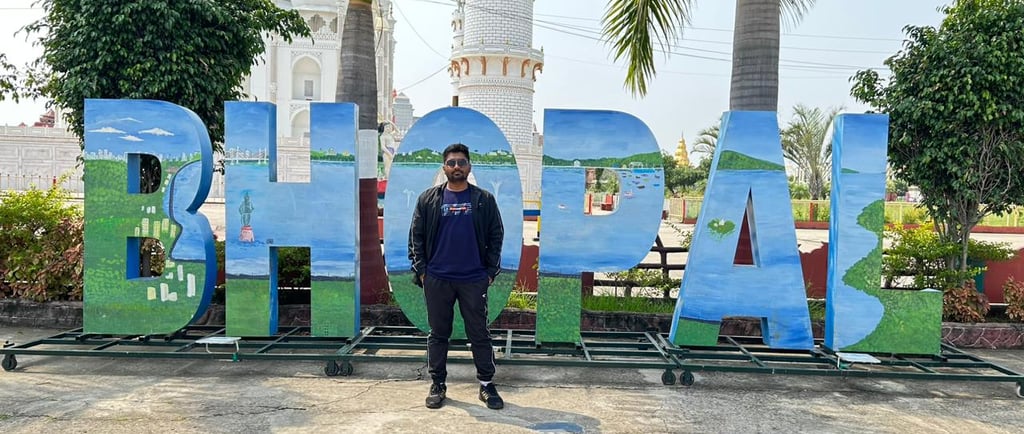
Introduction to Bhopal
Bhopal, the capital city of the Indian state of Madhya Pradesh, is a vibrant metropolis renowned for its rich history and stunning natural beauty. Often referred to as the 'City of Lakes', Bhopal is characterized by a unique amalgamation of historical architecture and modern advancements. The city boasts a picturesque landscape adorned with numerous lakes, which play a vital role in its cultural and aesthetic appeal.
Historically, Bhopal has been a significant center for various dynasties, with its heritage influenced by Nawabi culture. The remnants of this illustrious past are evident in the city’s majestic palaces, mosques, and monuments. Noteworthy structures like the Taj-ul-Masjid, one of the largest mosques in India, and the impressive Shaukat Mahal testify to the city’s architectural grandeur.
In addition to its historical significance, Bhopal is also recognized for its rapid modernization. The city is evolving into a hub for business and education, attracting individuals from diverse backgrounds. This transition fosters a unique environment where traditional values coexist harmoniously with contemporary living. With an expanding infrastructure, improved transportation facilities, and the establishment of educational institutions, Bhopal is becoming increasingly significant in the region.
Furthermore, Bhopal’s strategic location, situated at the crossroads of major cities in India, enhances its accessibility and facilitates economic growth. The lakes, including the Upper Lake and Lower Lake, not only add to the visual charm but also promote recreational activities and tourism, making Bhopal a noteworthy destination. As it continues to adapt and flourish, Bhopal remains a city that beautifully encapsulates the essence of both history and modernity.
Historical Journey of Bhopal
Bhopal, known as the "City of Lakes," has a rich and diverse historical narrative that dates back to the time of its foundation. The origins of Bhopal trace back to the early 11th century when it was founded by a Parmar prince, Raja Bhoj. During its inception, the area was primarily known for its remarkable natural beauty and strategic geographical location, which later played a significant role in its development.
In the 18th century, Bhopal turned into a focal point of political significance when the territory fell into the hands of the Nawabs of Bhopal. The Nawabs were notable rulers, whose reign is characterized by the flourishing of art, architecture, and commerce, thus transforming Bhopal into a prominent cultural hub. The first Nawab, Dost Mohammad Khan, established his rule in 1723 and laid the groundwork for the city’s unique character. Under his successors, Bhopal grew exponentially, becoming known for its beautiful lakes and impressive monuments.
Key historical events include the advent of British colonial rule, which drastically reshaped the landscape of trade and governance in Bhopal. Despite British encroachment, the Nawabs continued to wield significant authority, preserving much of the city’s essence. The late 19th and early 20th centuries witnessed Bhopal's modern transformation, with advancements in education, healthcare, and infrastructure, thanks in part to several progressive Nawabs.
As India gained independence in 1947, Bhopal underwent political changes that affected its administrative structure, ultimately integrating it into the state of Madhya Pradesh. Today, Bhopal stands as a city that beautifully harmonizes its historic ethos with contemporary developments, a testament to its extensive history and the legacy of its rulers.
Bhopal's Architectural Marvels
Bhopal, often referred to as the City of Lakes, boasts a rich tapestry of architectural styles that reflect its varied cultural heritage. The city is an incredible amalgamation of Hindu, Muslim, and modern influences, resulting in stunning edifices that narrate the historical narrative of the region. One of the most iconic structures is the Taj-ul-Masajid, one of the largest mosques in India. It features remarkable Mughal architecture, characterized by its grand domes, intricate marble work, and striking minarets that reach toward the sky.
Another architectural gem is the Bharat Bhavan, a multi-arts complex that integrates various art forms, including visual arts, music, and theatre. The building itself is a masterpiece, designed by the renowned architect Charles Correa, highlighting modernist trends while respecting traditional Indian aesthetics. Its unique form incorporates levels that allow for natural light to permeate the interiors, creating a harmonized space for artistic expression.
In addition to religious sites and cultural institutions, Bhopal is home to several majestic palaces, such as the Shaukat Mahal and the Sadar Manzil. The Shaukat Mahal, with its Indo-Saracenic architectural style, exhibits a blend of European and Indian elements, characterized by its tall arches, intricate lattice work, and vibrant colors. On the other hand, the Sadar Manzil, the official residence of the Nawab, showcases beautiful archways and grand halls that echo the opulence of the bygone era.
Moreover, the various step wells or baolis scattered throughout the city are architectural feats that served not only as water sources but also as social gathering spaces during the scorching summer months. Each of these structures reflects the ingenuity and adaptability of Bhopal's inhabitants, serving as a bridge between past and present while embodying the city’s diverse cultural fabric.
Natural Beauty: The Lakes and Parks of Bhopal
Bhopal, often referred to as the "City of Lakes," lives up to its name with a stunning array of water bodies that define its landscape. Among these, Bada Talab stands out as the largest and most popular lake, acting as a tranquil retreat for locals and tourists alike. With its serene waters and picturesque surroundings, Bada Talab offers various recreational activities such as boating, and picnicking, making it a vital part of the community’s social life.
The natural beauty of Bhopal is not limited to its lakes. The city is also dotted with several parks that enhance its green spaces. For example, Van Vihar National Park serves as an ecological haven, providing a safe environment for various flora and fauna. This park not only attracts nature lovers and wildlife enthusiasts but also supports efforts in conservation and environmental education.
Another notable park is the Gandhi Medical College Park, which is known for its lush greenery and provides a peaceful setting for relaxation and outdoor activities. These parks are essential for maintaining the ecological balance in the region and offer recreational spaces for families, joggers, and fitness enthusiasts. Furthermore, the combination of lakes and parks contributes to improved air quality and aids in climate regulation, making Bhopal a city that thrives on its natural resources.
Additionally, Bhopal's lakes and parks play a significant role in tourism, drawing visitors from across the globe who wish to experience the city's natural allure. Tourists can enjoy scenic walks along the lakeshores, participate in bird watching, and even indulge in photography, capturing the harmonious blend of water and lush vegetation that Bhopal has to offer. Through these attractions, the city not only showcases its natural beauty but also fosters community bonding and promotes a healthy lifestyle.
Cultural Heritage and Museums of Bhopal
Bhopal, often referred to as the City of Lakes, boasts a vibrant cultural heritage that is deeply woven into the fabric of its society. The city's museums play a crucial role in showcasing this rich heritage, serving as repositories of history, art, and culture. One of the most significant institutions is the Tribal Museum, which offers visitors an immersive experience into the lives and traditions of the various tribal communities that inhabit the region. This museum vividly displays artifacts, traditional attire, and handicrafts, reflecting the unique artistic expressions of the tribes.
Besides the Tribal Museum, Bhopal is home to several other museums that highlight its historical narrative. The State Museum showcases an array of archaeological and ethnographic collections, while the Bhimbetka Rock Shelters Museum provides astonishing insights into prehistoric human life through ancient cave paintings. These institutions not only preserve the past but also educate visitors about the diverse cultural landscape that characterizes Bhopal.
Traditional crafts form another integral aspect of Bhopal’s cultural identity. The city is renowned for its intricate production of handwoven textiles, metal work, and pottery, which reflect the craftsmanship of local artisans. Visitors can explore vibrant bazaars such as Chowk and Juma Masjid, where these handicrafts can be seen and purchased. Festivals in Bhopal, including the bustling Teej and Eid celebrations, further showcase the city's customs and traditions, uniting communities in their cultural expression. Colorful processions, music, and dance are essential elements that mark these festivities, offering a glimpse into the joyous spirit of Bhopal’s residents.
The amalgamation of traditional arts, historical museums, and annual festivals contributes to Bhopal's rich cultural tapestry, making it a hub for cultural appreciation and exploration.
Cinematic Bhopal: Movies Shot in the City
Bhopal, often referred to as the "City of Lakes," is not only celebrated for its picturesque landscapes but also for its rich historical and cultural heritage. This unique combination has made it an appealing destination for filmmakers, leading to a variety of films being shot in the city. The stunning architecture, serene lakes, and vibrant local culture are elements that attract many in the film industry.
One notable film is the award-winning Raja Hindustani, which features some of Bhopal's iconic locations, including the scenic Upper Lake. The film's romantic scenes benefited from the breathtaking backdrop that the lake offers, highlighting the natural beauty and serenity of the city. Additionally, Bhopal: A Prayer for Rain is a poignant drama that depicts the Bhopal gas tragedy, and the film shot various scenes in actual Bhopal locales, thereby adding authenticity to its narrative.
Further showcasing its cinematic charm, the film Paan Singh Tomar utilized the architecturally rich environment of the city to recreate the protagonist's journey. Bhopal's historical sites, such as the Taj-ul-Masajid and the Bharat Bhavan, provide filmmakers with a culturally rich backdrop that enhances storytelling. Another recent production, Dhamaal, featured comedic scenes against the stunning lakes and gardens, proving that Bhopal can successfully cater to various genres.
The seamless blend of history, culture, and natural beauty has established Bhopal as a coveted filming location in India. This city, with its lakes and heritage sites, continues to attract filmmakers seeking an authentic and striking setting for their stories.
Conclusion: Why Visit Bhopal
Bhopal, often referred to as the City of Lakes, offers a unique blend of rich history, vibrant culture, and stunning natural beauty, making it a must-visit destination for travelers. One of the primary attractions is the stunning array of lakes that adorn the city. The picturesque Upper Lake and Lower Lake are ideal spots for leisurely boat rides and leisurely walks, providing a perfect escape from the bustle of daily life.
The city is also home to historical landmarks that reflect its glorious past, such as the impressive Taj-ul-Masajid, one of the largest mosques in India. Notable sites such as the Bhimbetka rock shelters, a UNESCO World Heritage site, provide fascinating insights into prehistoric life and enhance the cultural tapestry of the region.
Bhopal's architectural marvels, including the grand Sadar Manzil and the magnificent Bharat Bhavan, further illustrate the city's diverse cultural influences, presenting visitors with a striking balance of traditional and contemporary art forms. The local cuisine, too, is an essential part of the experience, with delectable dishes like Biryani and Poha inviting food enthusiasts to explore regional flavors.
Moreover, Bhopal's vibrant festivals, such as the Bhopal Utsav, create a lively atmosphere where visitors can engage with local traditions and customs. The warmth of the locals adds to the overall charm of the city, making one feel welcome and at home.
In essence, Bhopal is a city that encapsulates the essence of India’s rich heritage and natural beauty. Whether you are an adventurer, a history buff, or someone seeking tranquility in nature, Bhopal caters to diverse interests, ensuring a fulfilling travel experience. Thus, exploring this city should undoubtedly be on everyone’s travel itinerary.
Contact
Let's connect and grow your digital presence.
Phone
info@shobhitgoyal.com
+918103354280
© 2025. All rights reserved.
UDYAM REGISTRATION NUMBER :- UDYAM-MP-49-0093568