Exploring the Best Food of India in 2026: A Culinary Journey
Indian cuisine has long been celebrated for its diversity and rich flavors, reflecting the vast array of cultural influences across the region. In 2026, the culinary landscape of India continues to evolve, showcasing a dynamic fusion of traditional practices and contemporary trends. This evolution is marked by chefs and home cooks alike experimenting with age-old recipes while incorporating modern techniques and global ingredients.
Shobhit Goyal
4/25/20269 min read
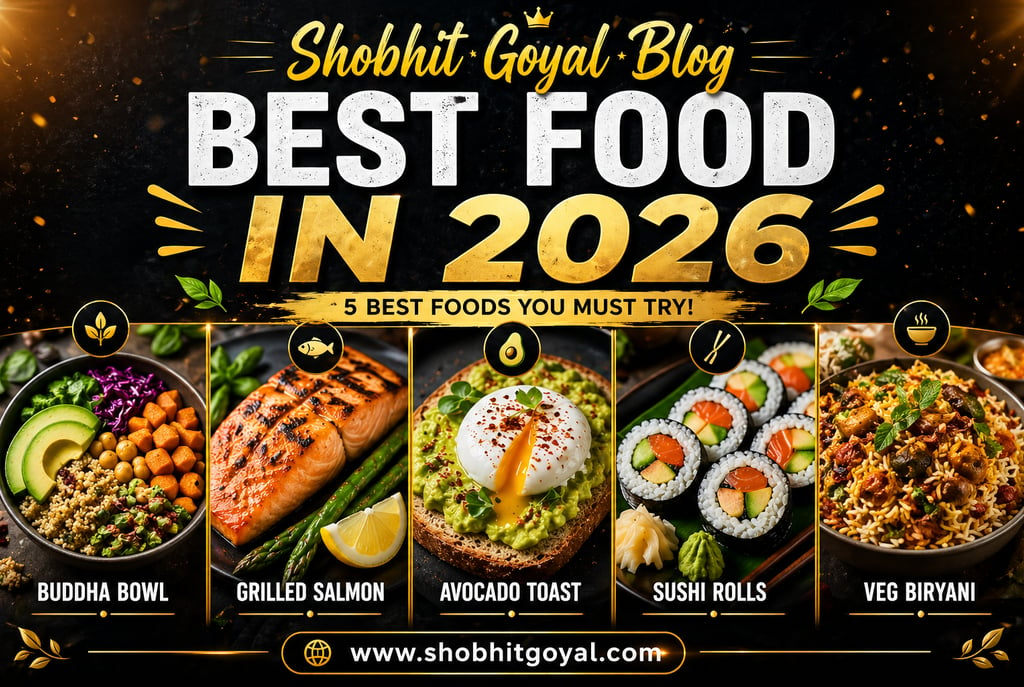

Introduction to Indian Cuisine in 2026
Indian cuisine has long been celebrated for its diversity and rich flavors, reflecting the vast array of cultural influences across the region. In 2026, the culinary landscape of India continues to evolve, showcasing a dynamic fusion of traditional practices and contemporary trends. This evolution is marked by chefs and home cooks alike experimenting with age-old recipes while incorporating modern techniques and global ingredients.
The integration of technology into cooking, especially through social media platforms, has allowed for widespread sharing of innovative recipes and cooking styles. As food enthusiasts seek new experiences, traditional dishes are being reinterpreted, leading to the emergence of what is often referred to as 'modern Indian cuisine'. For instance, classic curries may be presented in novel forms, using methods such as sous-vide or molecular gastronomy, to cater to a more adventurous palate.
Moreover, the influence of global food trends is evident in 2026, with plant-based diets gaining popularity across India. The awareness of health and wellness has led to a surge in vegetarian and vegan offerings, revitalizing traditional vegetarian cuisine with exciting new twists. This shift not only preserves the rich heritage of Indian food but also makes it more appealing to a global audience.
In this vibrant culinary scene, regional specialties are gaining prominence. Chefs are focusing on locally sourced ingredients, promoting sustainability and highlighting the unique flavors of various Indian regions. This dedication to local produce encourages a deeper understanding of the cultural significance of dishes, allowing for a more authentic dining experience. Overall, Indian cuisine in 2026 is a celebration of its heritage while embracing innovation, making it a fascinating and delightful experience for food lovers everywhere.
Best Spicy Foods of 2026
India is renowned for its rich culinary diversity, particularly when it comes to spicy food. In 2026, the spicy food scene continues to thrive, showcasing a range of dishes that deliver heat without compromising flavor. Regions across the country offer unique interpretations of spicy cuisine, illustrating the local ingredients and traditions that shape these beloved meals.
One of the standout dishes in 2026 is the Hyderabadi Biryani, which marries fragrant basmati rice with succulent meat, infused with an array of spices. The heat emanates from its combination of green chilies and a hint of saffron, setting it apart as a national favorite. This traditional dish remains a symbol of the rich history and culinary artistry of South India.
In the North, the popularity of Amritsari Chole, a spicy chickpea curry, has not diminished. Infused with a medley of spices including cumin and coriander, its warming flavor profile is enhanced through a distinctive cooking method. This dish is best paired with freshly baked naan, creating a hearty meal that is equally satisfying and spicy.
Moving towards innovative culinary creations, the emergence of Spicy Szechuan Dosa has captivated food enthusiasts in urban regions. This modern twist on a traditional South Indian dosa incorporates Szechuan spices, giving a global flavor to a classic dish. It reflects the evolving food culture of India, where traditional and contemporary influences coexist harmoniously.
Furthermore, the resurgence of traditional pickles, particularly those made with local ingredients, has added a new dimension to Indian spicy food in 2026. These homemade delights, rich with chili content and spices, serve as excellent accompaniments to meals, enhancing flavors and igniting the palate.
Top Fast Foods of 2026
The fast food landscape in India has undergone a significant transformation by 2026, reflecting the dynamic fusion of global fast food traditions with the rich tapestry of Indian flavors. This amalgamation has led to inventive dishes that not only satisfy the appetite but also resonate with the diverse palate of Indian consumers. Major fast food chains have tailored their offerings, introducing a compelling array of options that celebrate regional tastes while retaining the essence of international cuisine.
Among the most popular items at fast food outlets in India are the spice-infused burgers, which feature elements such as tandoori chicken patties, paneer slices, and a variety of chutneys that elevate the traditional fast food experience. These unique combinations create a delightful play on textures and flavors, catering specifically to Indian preferences. Similarly, Indian-style wraps have gained immense popularity, often filled with flavorful versions of classic fillings like kebabs, sabzis, or even dosas, all rolled up in a soft paratha or tortilla.
Moreover, the trend of health-conscious eating has also influenced the fast food scene. Many outlets are now offering kale and quinoa salads with a distinct Indian twist, enhanced with spices and dressings that reflect traditional recipes. Vegetarian and vegan options have expanded significantly; items such as jackfruit burgers and chickpea nuggets illustrate the adaptability of fast food to include wholesome ingredients.
As food technology continues to evolve, so does the fast food experience in India. From plant-based meat alternatives to sustainable packaging, the industry is moving towards innovation while respecting cultural culinary practices. The fast food of 2026 in India exemplifies this blend of global and local, ensuring that each bite is a reflection of the country’s rich gastronomic heritage.
Best Vegetarian Foods of 2026
In 2026, the vegetarian culinary landscape of India continues to evolve, showcasing a rich tapestry of traditional dishes as well as innovative creations. As dietary preferences shift and more individuals lean towards plant-based eating, the nation’s food enthusiasts are presented with a plethora of delectable vegetarian options. The classic fare remains predominant, but contemporary interpretations have breathed new life into these beloved dishes.
One shining example is the traditional Paneer Tikka, which sees an exciting twist with the introduction of spicy marinades that incorporate superfoods such as chia seeds and flaxseed oil. This method not only adds depth to the flavor but also boosts nutritional value, making it appealing to health-conscious diners. Another dish that has gained immense popularity is the Quinoa Biryani, merging the age-old cooking technique of biryani with the health benefits of quinoa, providing a wholesome and satisfying meal.
Additionally, Indian street food has also adapted to contemporary tastes. The modern take on Pani Puri now features diverse fillings, including avocado and sprouts, and is often served with a side of healthy dips made from various herbs and spices. This flexibility allows the traditional snack to cater to the younger generation's demand for healthier fare without compromising its essential flavors.
Moreover, with the rise of gourmet vegetarian restaurants, dishes like Jackfruit Tacos and Lentil Burgers are now widely celebrated. These innovative dishes showcase the versatility of locally sourced ingredients and embody the spirit of culinary creativity. Using seasonal produce, chefs are crafting meals that are both environmentally sustainable and outrageously delicious.
Ultimately, the vegetarian foods of 2026 reflect not only India's culinary heritage but also its growing commitment to health and innovation, setting the stage for an exciting gastronomic journey.
Best Non-Vegetarian Foods of 2026
As we explore the diverse culinary landscape of India in 2026, it's essential to highlight the exquisite non-vegetarian dishes that have captivated food enthusiasts. India's non-vegetarian cuisine is as rich and varied as its cultural milieu, with each region presenting unique flavors and preparation methods.
One notable dish is the Hyderabadi Biryani, a classic that has undergone contemporary reinterpretations while retaining its traditional essence. Characterized by fragrant basmati rice layered with marinated meat and slow-cooked spices, modern versions have incorporated healthier alternatives, such as brown rice and a variety of local spices that enhance its nutritional profile.
Moving to the coastal regions, Fish Curry stands out, specifically in states like Kerala and Goa. The unique blend of regional spices such as coconut, tamarind, and curry leaves infuse the curry with layers of flavor. In 2026, this dish is often reinvented with sustainable fish varieties, promoting ecological balance while elevating gastronomic experiences.
Another dish making waves is Tandoori Chicken, a staple of Indian barbecue that has evolved significantly. Traditionally marinated in yogurt and spices, this dish is now being adapted to include unique marinades using local herbs and even fermented ingredients that enhance flavor and improve health benefits.
Furthermore, Rogan Josh, hailing from Kashmiri cuisine, remains a cherished favorite. Its rich curry, made with tender lamb cooked in aromatic spices, emphasizes the regional use of saffron and cardamom. As culinary enthusiasts explore these flavors, chefs in 2026 are presenting innovative takes on this classic by pairing it with unexpected side dishes.
In summary, the best non-vegetarian foods in India for 2026 showcase a blend of traditional recipes and modern culinary innovations, celebrating the country's rich gastronomic heritage while appealing to contemporary tastes and dietary preferences.
Best Dairy Products in Indian Cuisine 2026
Dairy products hold a prominent place in Indian cuisine, serving as key ingredients in a myriad of traditional dishes and beverages. Among these, paneer, yogurt, and ghee are paramount, each contributing unique flavors, textures, and nutritional benefits that enhance daily meals.
Paneer, a fresh cheese that is both versatile and nutritious, is widely used across India. Made by curdling milk and separating the curds from the whey, paneer serves as a protein-rich meat substitute, especially for vegetarians. Popular dishes like palak paneer and paneer tikka illustrate its culinary flexibility, providing rich flavors while being low in calories compared to other cheese varieties.
Yogurt, or dahi, is another staple that is deeply ingrained in Indian households. It is often served as a side dish with meals, used to prepare refreshing drinks like lassi, or as a base for curries. Yogurt offers a myriad of health benefits, including improved digestion, immune support, and a rich source of probiotics. The tangy flavor complements various spices in Indian cooking, making it an essential component of the cuisine.
Ghee, or clarified butter, is not only valued for its rich flavor but also for its health properties. Traditionally used in cooking and frying, ghee has a high smoke point and is believed to align with Ayurvedic practices that promote overall wellness. It contains fat-soluble vitamins and beneficial fatty acids that can support heart health and promote healthy digestion. Ghee’s unique nutty aroma enhances many dishes, making it a beloved ingredient in Indian cooking.
Furthermore, the increasing awareness of health trends in 2026 underscores the significance of these dairy products as functional foods, enriching diets while offering various health advantages. As Indian cuisine evolves, the central role of dairy products remains a steadfast feature, celebrating tradition while adapting to contemporary palates.
Best Desserts and Sweets in 2026
India's rich culinary tapestry is lavishly complemented by an array of desserts and sweets that hold a special place in the hearts of its people. In 2026, traditional sweets are experiencing a renaissance, with classic recipes being celebrated alongside innovative interpretations. Among the most beloved staples is Gulab Jamun, which continues to delight palates with its soft, syrup-soaked balls, iconic to Indian festivities. Its warm, fragrant sweetness retains cultural significance, symbolizing joy and community during celebrations.
Another traditional favorite, Jalebi, is taking on a modern twist. This spiral-shaped, deep-fried treat dipped in sugar syrup brings a crunchy exterior and chewy interior that is adored by many. In 2026, chefs are experimenting with flavors, incorporating elements such as saffron or rose water, which add depth to this already beloved indulgence.
Regional specialties are also garnering attention. In Bengal, Rasgulla and Sandesh represent the epitome of sweetness and craftsmanship. The spongy texture of Rasgulla, made from fresh paneer, is a delicate balance of flavor and tradition. Meanwhile, Sandesh offers a rich canvas for creativity with its variety of flavors reflecting local ingredients.
The dessert landscape is also witnessing a surge of contemporary sweet trends such as Plant-Based Desserts, catering to the rising demand for healthier options. Innovative chefs are crafting desserts using almond milk, coconut cream, and organic sweeteners, making traditional flavors more accessible to health-conscious diners.
Ultimately, the sweet treats of India in 2026 demonstrate a harmonious blend of tradition and modernity. The exploration of these regional desserts reveals not just culinary excellence but also a deeper cultural meaning that unites communities and transcends generations.
Regional Cuisines: South Indian and Chinese Food in 2026
As we explore the vibrant food landscape of India in 2026, two cuisines stand out for their rich flavors and cultural significance: South Indian and Chinese cuisines. Each of these culinary traditions offers a unique tapestry of dishes, techniques, and ingredients that continue to evolve while retaining their roots.
South Indian cuisine, renowned for its diversity, encompasses a variety of styles influenced by local traditions. Signature dishes such as dosa, idli, and sambar have become staples, showcasing the use of rice, lentils, and a plethora of spices. In 2026, there is a notable resurgence in traditional cooking methods, with many chefs embracing age-old techniques like stone grinding and clay pot cooking. Fermentation, which is pivotal in creating idli batter, is also seeing innovative applications, enhancing both flavor and nutritional value in contemporary dishes.
Moreover, regional variations play an important role in South Indian cuisine. For instance, Kerala’s use of coconut and spices creates a distinctively rich palate, while Tamil Nadu’s emphasis on rice and lentils results in lighter yet equally flavorful options. Furthermore, the influences of modern gastronomy are evident as chefs experiment with fusion dishes that harmonize traditional elements with global culinary trends.
Similarly, the Chinese food scene in India has seen remarkable innovation over the years, particularly in urban areas. The traditional flavors of Sichuan and Cantonese cuisine continue to thrive while also adapting to local tastes. Dishes like chili chicken and hakka noodles have become household favorites, and in 2026, chefs are further refining these recipes by incorporating locally sourced ingredients. The use of Indian spices in Chinese cooking is becoming common, resulting in exciting new flavors.
The rich interplay between authenticity and modernity in both South Indian and Chinese cuisines illustrates the ongoing evolution of food culture in India. By celebrating these culinary traditions, we not only honor their origins but also pave the way for innovative dining experiences that cater to the evolving palates of contemporary food enthusiasts.
Contact
Let's connect and grow your digital presence.
Phone
info@shobhitgoyal.com
+918103354280
© 2025. All rights reserved.
UDYAM REGISTRATION NUMBER :- UDYAM-MP-49-0093568