The Rise of the Bharatiya Janata Party: A Journey through History and Popular Acceptance
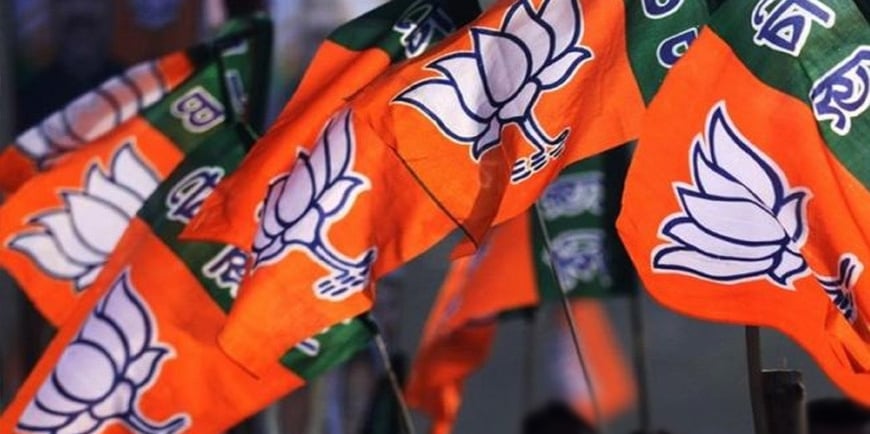
The Bharatiya Janata Party (BJP), established in 1980, has become a significant force in Indian politics. The party's origins can be traced back to the Bharatiya Jana Sangh, which was founded in 1951. The BJP positions itself as a champion of Indian nationalism and cultural identity, drawing on the principles of Hindutva, or Hindu nationalism. This ideology reflects the party's foundational belief in promoting the Hindu culture and values within the framework of a secular republic.
Shobhit Goyal
4/24/20268 min read
Introduction to the Bharatiya Janata Party (BJP)
The Bharatiya Janata Party (BJP), established in 1980, has become a significant force in Indian politics. The party's origins can be traced back to the Bharatiya Jana Sangh, which was founded in 1951. The BJP positions itself as a champion of Indian nationalism and cultural identity, drawing on the principles of Hindutva, or Hindu nationalism. This ideology reflects the party's foundational belief in promoting the Hindu culture and values within the framework of a secular republic.
The mission of the BJP is multifaceted; it seeks to foster economic growth, strengthen national security, and improve social welfare, all while emphasizing its commitment to India's cultural heritage. The party's platform advocates for a strong and self-reliant India through initiatives that support these overarching goals. One of the core tenets of the BJP’s ideology is its emphasis on governance founded on transparency, accountability, and service to the nation. The BJP's approach has resonated with a significant demographic, particularly as it has positioned itself as a defender of the rights and interests of the Hindu population in India.
As a prominent political entity, the BJP has gained substantial popularity and support at both state and national levels. Its rise corresponds with a broader shift in voter sentiment towards issues of national pride and economic development. In various elections, the BJP has leveraged this sentiment, campaigning on promises of development and reform. This introduction sets the stage for exploring the party’s historical journey, its evolving role in Indian society, and the contemporary dynamics that shape its popularity. Understanding the BJP’s foundational principles is crucial to comprehend its enduring influence and significance in India today.
Historical Background of the BJP
The Bharatiya Janata Party (BJP) has its roots deeply entrenched in India's political landscape, tracing its origins back to the Bharatiya Jana Sangh (BJS), which was founded in 1951 by Syama Prasad Mukherjee. The BJS aimed to promote Hindutva ideology, emphasizing cultural nationalism while advocating for a nationalist agenda in contrast to the secular policies of the Indian National Congress. This marked the beginning of a long and complex journey that ultimately led to the formation of the BJP.
In 1977, during a period of political turbulence marked by the Emergency imposed by Indira Gandhi, the Janata Party emerged as a coalition of anti-Congress forces, including the BJS. Despite its initial success in the 1977 elections, the Janata Party eventually disintegrated, leading to the re-establishment of the BJS. However, it was not until 1980 that the Bharatiya Janata Party was officially formed, uniting various factions and positioning itself as an alternative to the dominant parties of the time.
Throughout the 1980s and 1990s, the BJP experienced significant electoral successes and challenges. The party gained national recognition in 1986 when it won 207 seats in the Lok Sabha elections. Its ascension to power was iconized by the Ram Janmabhoomi movement, which significantly galvanized Hindu sentiments across the nation. The party first assumed power at the national level in 1996 under Atal Bihari Vajpayee, though this government lasted only 13 days. A second stint in power came with the 1998 elections, solidifying the BJP as a key player in Indian politics.
Over the years, the BJP has undergone substantial transformations, evolving its strategies and policies to connect with the broader electorate. The late 2000s and 2010s saw the party adopting a more inclusive approach while emphasizing development and governance, which resonated with a diverse voter base. This marked a critical juncture in the BJP's history, leading to its current status as one of India's most influential political parties.
BJP's Ideology and Core Principles
The Bharatiya Janata Party (BJP) stands on a robust ideological foundation that is deeply rooted in Indian nationalism, characterized by its commitment to the principles of Hindutva and socio-economic development. Nationalism serves as a unifying concept for the BJP, promoting a vision of India that transcends regional, linguistic, and religious boundaries. This ideology positions the BJP as a party focused not only on politics but also on the cultural identity of the nation.
Core to the BJP's philosophy is Hindutva, which is often interpreted as an assertion of the Hindu ethos and way of life. Emphasizing this ideology, the party seeks to foster a sense of pride among Hindus while promoting the idea that India is fundamentally a Hindu nation. This principle has significantly influenced the party's political strategies and voter appeal, resonating particularly with those who feel their cultural identity is threatened.
In addition to nationalism and Hindutva, the BJP is also dedicated to economic development, advocating for policies that encourage growth and modernization. The party has positioned itself as a proponent of economic reforms aimed at empowering the middle class and enhancing the business environment. Initiatives like "Make in India" demonstrate the BJP's commitment to revitalize manufacturing and stimulate job creation through the promotion of local industries.
Furthermore, these core principles manifest in the BJP's approach to governance, which often emphasizes decentralized administration and empowerment of local bodies. This is reflective of their belief in strong leadership that can help implement policies responsive to the needs of citizens while maintaining the integrity of national identity. Overall, the BJP's ideological framework significantly influences its policies and political landscape, making the understanding of these core principles crucial for analyzing its success and popular acceptance.
The BJP in Contemporary Politics
The Bharatiya Janata Party (BJP) has established itself as a dominant force in India's contemporary political landscape, particularly since it assumed power in 2014. The party's ascendance can be attributed to a combination of strategic political maneuvering, impactful communication strategies, and a focus on issues that resonate with a vast segment of the Indian populace.
Under the leadership of Prime Minister Narendra Modi, the BJP has emphasized a vision of development, nationalism, and governance reform. Modi's government has launched numerous initiatives aimed at enhancing economic growth, such as "Make in India," which promotes manufacturing, and "Digital India," designed to improve technology access and infrastructure. Such policies reflect the BJP's commitment to modernizing India's economy while also appealing to middle-class aspirations.
Leadership dynamics within the BJP also play a crucial role in the party's contemporary relevance. The party has successfully maintained a strong organizational structure that empowers state and local leaders, thereby facilitating grassroots mobilization. This decentralized approach allows the BJP to adapt to diverse regional contexts and craft localized messages that resonate with voters. Additionally, the party's decision-making processes often involve extensive consultation with its broader cadre, which helps foster loyalty and commitment among its members.
Moreover, the BJP has adeptly used social media platforms to engage with citizens, disseminate information, and counter opposition narratives. The ability to connect with younger demographics and tech-savvy citizens has proven advantageous, allowing the party to maintain its presence in the rapidly evolving political discourse.
In summary, the BJP's current role in Indian politics is characterized by its strategic leadership, policy innovations, and effective communication strategies, which together have reinforced its position as the ruling party in India and significantly shaped the nation’s political trajectory.
Public Reception and Popularity of the BJP
The Bharatiya Janata Party (BJP) has evolved into a formidable political force in India, gaining significant public support over the years. Its rise to prominence can be attributed to various factors that resonate with different segments of the population. Primarily, the BJP's adept use of social media stands out as a key strategy that has allowed it to engage with a broader audience. The party has effectively leveraged platforms such as Facebook, Twitter, and Instagram to disseminate its messages, enabling rapid communication and interaction with the electorate. This approach not only helps in real-time announcements but also offers a platform for addressing public concerns.
In addition to social media, the BJP's carefully crafted communication strategies have played a vital role in shaping public perception. The party has positioned itself as a proponent of good governance, economic development, and national security, appealing to the aspirations of a diverse electorate. By addressing issues pertinent to various demographic groups, the BJP has successfully enhanced its popularity across age, gender, and class. The emphasis on development and social welfare schemes has also attracted support from the economically disadvantaged and rural populations, thus expanding its base.
Furthermore, the BJP's outreach programs, such as community initiatives and public consultations, have proven effective in building grassroots connections. These programs facilitate direct engagement with citizens, allowing the party to gauge public sentiment and adjust its policies accordingly. The combination of effective marketing strategies, a strong online presence, and proactive outreach has significantly contributed to the party's ability to resonate with the electorate, leading to a sustained rise in its popularity.
Recent Electoral Successes and Their Implications
The Bharatiya Janata Party (BJP) has witnessed a remarkable series of electoral successes in recent years, solidifying its position as a dominant force in Indian politics. The 2014 national elections heralded a new era for the party, as it secured an absolute majority in the Lok Sabha, a feat it repeated in the 2019 elections. The BJP's continued strong performance is marked by significant victories in various state legislative assembly elections, including those in Uttar Pradesh and Gujarat, which have traditionally been critical to its electoral strategy.
Analyzing the trends in voting patterns, it becomes evident that the BJP has established a robust voter base across diverse demographics. The party's ability to appeal to urban middle-class voters, along with its outreach to rural communities, has played a crucial role in its electoral success. Additionally, the BJP's focus on nationalism and development-oriented policies resonates well with many Indian citizens, further enhancing its popularity. The party's adept use of technology and social media platforms for campaigning has also contributed to shaping public perception and mobilizing support.
The implications of these electoral results extend beyond mere numbers. As the party consolidates its power at both state and national levels, it raises questions about the future landscape of Indian politics. The BJP's victories imply a significant shift towards a majoritarian form of governance, potentially impacting policy decisions across various sectors. Furthermore, the party's increasing control poses challenges for opposition parties, often forcing them to reassess their strategies to regain relevance in a highly competitive political environment.
Understanding these recent electoral trends and their implications is vital for grasping the evolving dynamics of the Bharatiya Janata Party's role in shaping India's future. The BJP's journey from its initial struggles to becoming a central pillar in Indian governance continues to unfold, with each electoral success marking a critical juncture in its historical narrative.
Conclusion: The Future of the BJP
The Bharatiya Janata Party (BJP) has significantly shaped the political landscape of India over the past few decades. As it moves forward, the challenges that lie ahead are manifold. While the party has enjoyed remarkable electoral success and popular support, it must remain vigilant in addressing the demands and aspirations of an evolving electorate. The complexities of regional politics, socio-economic disparities, and generational changes in public perception will certainly influence its strategies and policies.
One of the foremost challenges for the BJP will be to maintain its current base while also reaching out to broader demographics, especially younger voters who may have different values and priorities. The party's ability to adapt to these changing dynamics will be crucial. In addition, the effectiveness of governance and fulfillment of electoral promises will play a significant role in shaping how the party is viewed. There has been increasing scrutiny on issues such as economic growth, job creation, and social welfare practices, elements that the BJP must address to retain credibility.
Furthermore, as India progresses, the impact of technology and social media on political discourse cannot be overlooked. The BJP will need to harness these platforms effectively while countering misinformation that may arise. With political alliances and opposition parties continuously evolving, the BJP's strategies must also be adaptable and responsive to the shifting alliances and challenges within the political sphere.
In summary, the future of the BJP will depend on its ability to navigate these challenges while continuing to resonate with the aspirations of the Indian populace. The road ahead is undoubtedly complex, but with strategic foresight and responsive governance, the party may not only sustain its support but also potentially strengthen its position in Indian politics.
Contact
Let's connect and grow your digital presence.
Phone
info@shobhitgoyal.com
+918103354280
© 2025. All rights reserved.
UDYAM REGISTRATION NUMBER :- UDYAM-MP-49-0093568