Rang Panchami: The Vibrant Celebration of Colors
Rang Panchami is a vibrant festival celebrated primarily in the western regions of India, especially in Maharashtra. This festival occurs five days after the much-celebrated festival of Holi, marking the conclusion of the vibrant festivities associated with colors. While Holi celebrates the arrival of spring and the triumph of good over evil, Rang Panchami focuses on the joy of colors and community bonding, bringing people together through playful revelry.
Shobhit Goyal
3/8/20268 min read
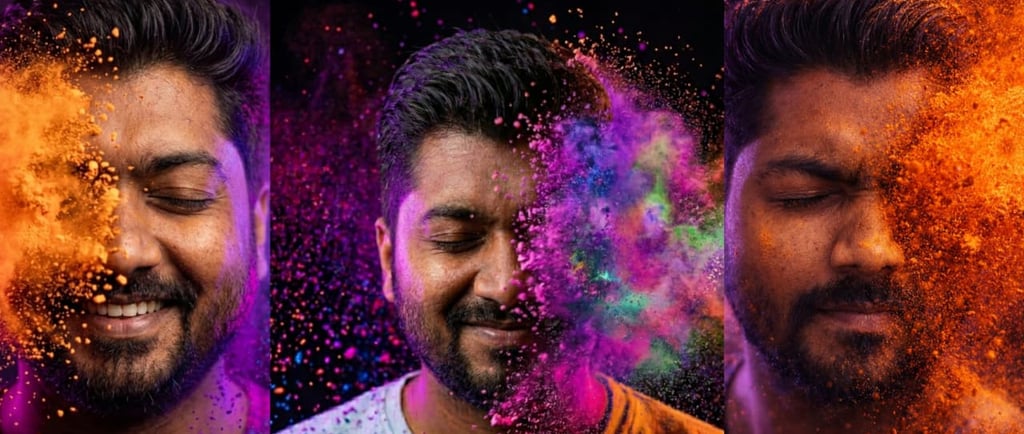
What is Rang Panchami?
Rang Panchami is a vibrant festival celebrated primarily in the western regions of India, especially in Maharashtra. This festival occurs five days after the much-celebrated festival of Holi, marking the conclusion of the vibrant festivities associated with colors. While Holi celebrates the arrival of spring and the triumph of good over evil, Rang Panchami focuses on the joy of colors and community bonding, bringing people together through playful revelry.
The origins of Rang Panchami can be traced back to ancient traditions wherein villagers would gather to partake in color games, symbolizing the spirit of love and harmony. This festival is deeply rooted in cultural customs and reflects the rich heritage of various communities. Celebrated predominantly in Maharashtra, Rang Panchami has gradually spread to other regions of India, captivating the hearts of diverse populations.
The essence of Rang Panchami lies in the exuberance of colors that fill the air and the happiness shared among friends and family. Participants typically prepare themselves with organic colors made from flowers and natural extracts, emphasizing an eco-friendly approach to celebrations. Streets come alive with laughter and music, as people engage in spontaneous color fights, dancing, and sharing festive sweets, reinforcing social bonds and promoting communal harmony.
In various localities, the festival may take on different forms, reflecting unique regional customs and practices. Traditional folk songs are sung while groups mingle freely, embodying the spirit of togetherness. The festival serves as a reminder of the beauty of unity in diversity, as participants, irrespective of age or background, embrace the colorful atmosphere with joy. Overall, Rang Panchami exemplifies the enduring cultural significance and the universal appeal of celebrating life through colors.
The Colors of Rang Panchami
Rang Panchami is a vibrant festival celebrated predominantly in Maharashtra, signifying the arrival of spring and the joyful spirit that comes with it. Central to this celebration is the use of colors, which are not merely decorative but carry profound cultural meanings. Traditionally, participants engage in playful throwing of colored powders and water, which serve as a symbolic manifestation of happiness, unity, and the bountifulness of nature.
Colors used during Rang Panchami can be broadly categorized into natural and synthetic varieties. Natural colors, often derived from flowers, leaves, and herbs, were historically used to create vibrant hues. For example, turmeric imparts a bright yellow, while hibiscus blossoms can be transformed into a striking red. These organic pigments are environmentally friendly and are often favored for their minimal skin irritation and their connection to traditional practices.
On the other hand, synthetic colors, available in a myriad of shades, have gained popularity due to their affordability and long-lasting quality. However, it is crucial for celebrants to opt for skin-safe, non-toxic options to ensure a safe and enjoyable experience for all participants. The growing awareness of health impact has led to a resurgence in the use of natural colors, reflecting a blend of tradition and modern solutions.
An essential aspect of Rang Panchami is the preparation and application of these colors. Families typically gather to make their colors ahead of time, demonstrating unity and togetherness. The application of colors is not just an act of play but also a way to express joy and foster community bonds. As individuals smear colors on each other, laughter and cheer resonate, enhancing social ties and creating memorable experiences.
In conclusion, the colors of Rang Panchami encapsulate the essence of the festival, representing joy and unity within the community. Through the thoughtful selection and application of natural and synthetic colors, participants emphasize the spirit of togetherness that defines this colorful celebration.
Celebrating with Loved Ones
Rang Panchami is a festival that brings together families and friends in a spectacular display of joy, color, and camaraderie. This vibrant celebration marks the end of the Holi festivities, where vibrant hues symbolize the triumph of good over evil and the arrival of spring. The communal aspect of Rang Panchami is evident as people of all ages come together to partake in the joyous atmosphere. Families gather to celebrate, sharing their love and creating cherished memories that last a lifetime.
One of the most delightful customs associated with Rang Panchami is the sharing of sweets and delectable foods. Traditional delicacies are prepared and exchanged among neighbors and friends, enhancing the spirit of togetherness. Items such as gujiyas, laddoos, and various regional treats become a central part of the celebrations. Sharing these treats not only satisfies the palate but also acts as a medium for reinforcing social bonds within the community.
As laughter fills the air, it is common to see groups of friends engaging in playful activities, such as water balloon fights and applying colors on each other. These elements of fun are critical as they foster a sense of unity among participants, breaking down barriers of age, status, and background. Celebrations often extend beyond the confines of homes as joyous gatherings move into public spaces where communities come alive with enthusiasm.
Through these collective activities, Rang Panchami serves as a reminder of the importance of relationships. The interactions during this occasion create lasting memories, as families and friends reflect on past celebrations while forging new experiences. In essence, Rang Panchami is not just a festival of colors but also a celebration of love, connection, and shared joy within a community.
Traditional Practices and Rituals
Rang Panchami is celebrated with vibrant enthusiasm and a distinct set of traditional practices and rituals that reflect the cultural richness of this joyous occasion. One of the hallmark rituals includes the application of colored powders, known as 'gulal.' Participants throw gulal at each other, symbolizing joy, love, and the arrival of spring. These colorful powders not only serve as a means of celebration but also signify the vibrancy of life and the renewal of nature.
Music and dance are integral components of the festivities. Traditional folk songs, imbued with themes of love and nature, echo through the air, enticing members of the community to join in. Drummers and musicians often accompany dancers, creating an infectious atmosphere that invites participation from people of all ages. The rhythmic tunes invigorate the spirits of the participants, encouraging them to engage in playful dance, which enhances the communal atmosphere of camaraderie and joy.
Moreover, various religious offerings also form a critical aspect of Rang Panchami. Many devotees prepare special meals and sweets to share with family and neighbors, reinforcing bonds and expressing gratitude. Typical offerings might include rice flour, jaggery, and an assortment of colorful sweets, with each item symbolizing prosperity and unity. These culinary delights are often placed on beautifully adorned platters, showcasing the elaborate nature of the festivities.
As the day progresses, more rituals may take place, such as the immersion of idols and symbolic rituals to seek blessings from deities. These acts serve not only as a means of expressing devotion but also as a way of bringing the community together, fostering deeper connections through shared cultural experiences. Overall, the traditional practices of Rang Panchami create an environment steeped in celebration, reinforcing cultural identity while celebrating the spirit of togetherness.
Modern Adaptations of Rang Panchami
Rang Panchami, a vibrant festival celebrated primarily in Maharashtra, has seen notable transformations over the years, particularly in urban settings. Traditionally, this celebration involved community gatherings with the playful throwing of colored powders, music, dance, and festive cheering. However, with rapid urbanization, the manner in which people partake in Rang Panchami has evolved significantly, reflecting contemporary lifestyles and values.
In modern times, the essence of Rang Panchami still remains; however, the celebrations are increasingly influenced by social media. Individuals and communities are now sharing their festive experiences online, capturing colorful moments through photographs and videos. This shift has not only amplified the reach of Rang Panchami beyond geographical boundaries but has also fostered a sense of community among participants who engage with the festivities through platforms like Instagram and Facebook. The hashtag #RangPanchami generates a vibrant online gallery of colorful celebrations, encouraging others to join in the festivities.
Moreover, there has been a marked increase in the awareness surrounding eco-friendly practices during Rang Panchami. As concerns regarding pollution and environmental degradation grow, participants are gravitating towards natural colors made from organic pigments instead of synthetic dyes, which are known to be harmful to both health and the environment. This adaptation reflects a growing sensitivity to sustainability and environmental responsibility that modern society promotes, aligning the festival's spirit of joy with the cause of ecological mindfulness. The integration of eco-friendly colors has made the celebrations more inclusive, allowing participants to enjoy the festivity without compromising on environmental ethics.
In conclusion, while the foundational elements of Rang Panchami remain intact, the festival's evolution in urban spaces showcases a blend of tradition and modernity. This highlights both the impact of technology and a growing consciousness towards fostering sustainable practices, ensuring that the celebration of colors continues to flourish for future generations.
Tips for an Enjoyable Rang Panchami Celebration
Rang Panchami is a festival known for its exuberant celebrations marked by throwing colored powders and water at one another. To ensure this vibrant occasion is both enjoyable and safe, several practical tips can enhance the experience for everyone involved.
First and foremost, consider the safety of the colors being used. Opt for environmentally friendly, natural colors that are less likely to cause skin irritations or allergic reactions. Many commercial colors contain harmful chemicals; therefore, seeking organic options or making colors using flowers and herbs can be a safer alternative. Ensure all participants are informed about the colors being used and have the chance to protect their skin, particularly sensitive areas, with oil or creams to minimize adverse reactions.
Another essential aspect of celebrating Rang Panchami safely is the choice of water. Where possible, use clean water for the water games that are often part of the festivities. Organizing a community event can be an excellent way to promote collective enjoyment while also ensuring the celebration remains secure. Creating designated zones for color play can help manage the festivity, preventing overcrowding and allowing individuals to partake in a structured manner.
Encouraging participants to wear clothing that they are comfortable getting stained will enhance their enjoyment. Consider hosting workshops or preparatory sessions leading up to the festival to teach people about safe color practices and what to expect during the festivities. Additionally, having first-aid kits readily available can be a prudent measure, catering to accidents that may arise during the colorful celebration.
With these thoughtful preparations, everyone can engage in the joyous spirit of Rang Panchami while making the celebrations both memorable and safe.
The Spirit of Rang Panchami: More than Just Colors
Rang Panchami, renowned for its vivid displays of colors, transcends mere festivity to embody deeper meanings that resonate with love, joy, and community. This vibrant celebration serves as a remarkable reminder of the beauty of diversity, allowing individuals to engage in a shared experience that fosters unity among varied cultural backgrounds. The practice of throwing colored powders and water during Rang Panchami symbolizes the breaking down of barriers, promoting inclusivity and acceptance, thereby reinforcing bonds among participants.
As revelers come together, they partake in acts of joy that illustrate the essence of human connection. The festival encourages everyone, regardless of age, gender, or social status, to partake in the merriment, reinforcing the idea that love knows no bounds. In this way, Rang Panchami encapsulates the spirit of togetherness, where laughter fills the air and friendships are strengthened. The act of playfully dousing each other in colors is not merely about aesthetics; it represents the joy of being alive and the celebration of community.
Furthermore, the diverse palette of colors used during this festival serves as a metaphor for the myriad cultures and traditions that coexist within society. Each hue symbolizes different emotions and attributes, coming together to create a harmonious collective. This unity in diversity is a powerful lesson that Rang Panchami imparts, urging participants to recognize and embrace their differences, thus fostering a more harmonious environment.
Ultimately, Rang Panchami exemplifies how festivals can transcend mere celebration to highlight themes that strengthen societal bonds. Through the vibrant expression of colors, participants not only indulge in a time-honored tradition but also affirm their commitment to promoting love, laughter, and community spirit. This integral essence of Rang Panchami reminds us of the importance of coming together, celebrating our differences, and embracing the richness of diversity in our lives.
Contact
Let's connect and grow your digital presence.
Phone
info@shobhitgoyal.com
+918103354280
© 2025. All rights reserved.
UDYAM REGISTRATION NUMBER :- UDYAM-MP-49-0093568