Celebrating Rang Panchami: A Vibrant Festival of Colors, Flowers, and Water in India
Rang Panchami is a vibrant and exuberant festival celebrated in various parts of India, particularly in the western state of Maharashtra. It is deeply rooted in the cultural fabric of the region and is known for its joyful display of colors, flowers, and water, akin to the jubilant festivities of Holi that precedes it. While Holi marks the arrival of spring and the victory of good over evil, Rang Panchami serves as a continuation of those celebrations, allowing people to extend the joy and enthusiasm associated with springtime.
Shobhit Goyal
3/4/20268 min read
Introduction to Rang Panchami
Rang Panchami is a vibrant and exuberant festival celebrated in various parts of India, particularly in the western state of Maharashtra. It is deeply rooted in the cultural fabric of the region and is known for its joyful display of colors, flowers, and water, akin to the jubilant festivities of Holi that precedes it. While Holi marks the arrival of spring and the victory of good over evil, Rang Panchami serves as a continuation of those celebrations, allowing people to extend the joy and enthusiasm associated with springtime.
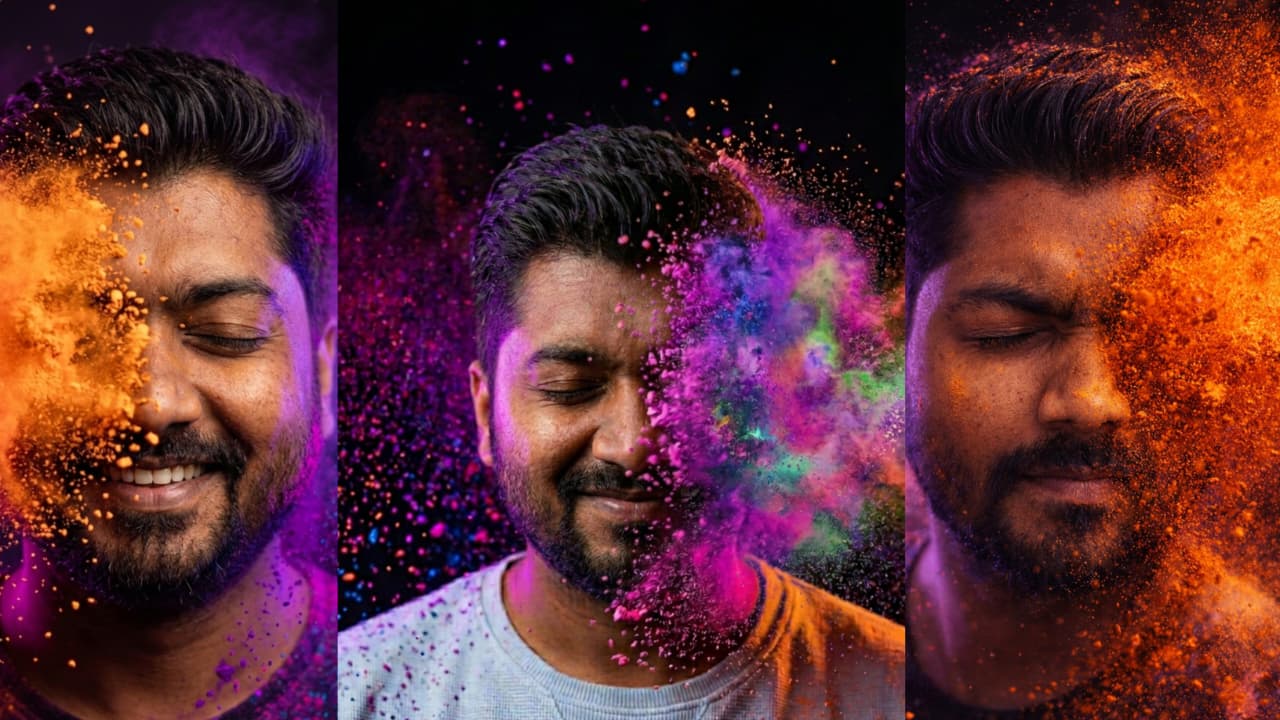
This festival is observed on the fifth day (Panchami) following Holi, which usually falls in the month of March. The date might vary from year to year, but the essence remains the same: it is a time for revelry and communal harmony. Traditionally, Rang Panchami involves people throwing colored powders and water at each other, symbolizing the spirit of unity and the joyous relationships that bind communities together. In addition to the vibrant colors, participants also adorn themselves with flower petals, further enhancing the festive atmosphere.
Culturally, Rang Panchami is imbued with various rituals and practices that showcase the rich heritage of the region. It is common for local communities to organize processions and cultural performances, where traditional music and dance take center stage. Temples often host special prayers and rituals to seek the blessings of deities, emphasizing the festival's spiritual significance alongside its celebratory nature. The festival transcends individual households; it fosters a sense of togetherness, bridging the gap between people of different backgrounds and promoting social cohesion.
In essence, Rang Panchami is a festival that encapsulates the joy of spring, the spirit of togetherness, and the rich cultural traditions of Maharashtra. Its significance as a lively celebration makes it an integral part of the festival calendar in India.
Historical and Mythological Roots
The festival of Rang Panchami, which marks the vibrant celebration of colors, finds its historical and mythological origins deeply rooted in Indian culture. Celebrated primarily in the states of Maharashtra and Madhya Pradesh, this festival is associated with various legends, primarily revolving around the playful exploits of Lord Krishna. According to popular mythology, Rang Panchami is celebrated five days after Holi, representing the victory of spring and color over the dullness of winter.
One of the most significant stories linked to Rang Panchami is that of Lord Krishna’s pranks with his beloved, Radha, and her friends. As per the legends, Krishna, who was known for his mischievous nature, would color the faces of Radha and the Gopis (cowherd girls) with hues made from natural substances. This playful act symbolized love, joy, and the arrival of spring, and it became a tradition that continues to thrive today. Over time, these tales have not only enriched the celebrations but have also established a sense of community and togetherness among participants.
In addition to Krishna, other deities are also honored during Rang Panchami. For instance, the festival draws connections to various goddesses and gods, who are believed to bless the occasion with prosperity and happiness. Each region may have its nuances regarding the stories and rituals, but the overarching theme of celebrating love, friendship, and the vitality of life remains constant. While Rang Panchami may originate from specific legends, its evolution reflects a broader cultural tapestry that weaves together tales of divine playfulness and the spirit of community bonding.
The historical narrative of Rang Panchami exemplifies how traditional festivals in India often serve as a reflection of the society’s collective beliefs, values, and artistic expressions through joyous celebrations, blending myth with cultural practices.
The Role of Colors in the Celebration
Rang Panchami is a festival that powerfully exemplifies the role of colors within Indian cultural traditions. Celebrated predominantly in Maharashtra and other regions, this vibrant event honors the arrival of spring while signifying the joy of unity and community spirit. Colors are not just visual aspects of this celebration; they embody deeper meanings and are woven into the fabric of festivities.
During Rang Panchami, participants engage in a colorful display, utilizing a variety of colored powders known as gulal, along with water, flowers, and other organic materials. Each color holds specific significance; for instance, red symbolizes passion and love, yellow denotes happiness and prosperity, while green reflects harmony and freshness. This spectrum of colors creates an ambiance of cheerfulness and vitality, further enhancing the celebratory mood.
The playfulness inherent in color usage fosters a spirit of togetherness among participants. As individuals douse one another in vivid hues, barriers of age, gender, and background dissolve, leaving a communal atmosphere where laughter and joy prevail. This joyous splashing of colors also serves as a form of self-expression, allowing participants to embrace their individuality while becoming part of a collective experience.
Moreover, the symbolic importance of colors extends beyond the festival itself, reflecting the broader cultural narratives found across India. Colors are deeply embedded in the spiritual realm, influencing various rituals and practices. Through Rang Panchami, the use of bright, lively colors transcends mere aesthetic appeal, transforming the festival into a profound celebration of life, renewal, and togetherness.
Nature's Contribution: Flowers and Water
The celebration of Rang Panchami in India is a vivid representation of nature's beauty, prominently featuring flowers and water, which play essential roles in the festivities. During this vibrant festival, flowers are utilized in various creative forms, including floral decorations, ornate garlands, and sacred offerings. These natural elements enhance the aesthetic appeal of the celebrations while symbolizing the arrival of spring and the flourishing of life.
Floral decorations create an inviting atmosphere, adorning homes and public places alike. Garlands made from marigolds, jasmine, and other seasonal blooms are draped across doorways, temples, and altars, serving both decorative and spiritual purposes. The vibrant colors of these flowers not only uplift the mood of the participants but also signify auspiciousness and joy associated with the coming of the new season.
In addition to flowers, the element of water is integral to the Rang Panchami celebrations. Traditionally, water games are organized, where participants engage in playful activities involving colored water, emphasizing unity and joy. This refreshing aspect of water not only offers respite from the heat of the approaching summer but also symbolizes purification and the essence of life itself. The use of water in these festivities fosters a communal spirit, as friends and families come together to celebrate and partake in the fun.
Moreover, the interaction between flowers and water during Rang Panchami enhances the sensory experience of the festival. The fragrant scents of flowers mingle with the fresh splashes of water, creating an immersive environment that captivates the celebrants. Thus, the thoughtful incorporation of flowers and water into Rang Panchami reflects the festival's deep connection with nature and highlights the importance of these elements in fostering joy and togetherness.
Community Celebrations and Festivities
The vibrant festival of Rang Panchami serves not only as a celebration of color but also as a significant occasion for community bonding and camaraderie. This festival is marked by various activities that bring people together in joyous celebration. Streets across many towns and villages in India come alive as they host vibrant processions filled with participants adorned in bright colors. Traditional music fills the air, and the sounds of laughter and cheer are ubiquitous.
During Rang Panchami, it is common to see local authorities and community leaders organizing events that encourage participation from all age groups. Children often look forward to this day, as they engage in friendly water fights using colored water balloons and pichkaris. The excitement is palpable as families and friends congregate in public spaces, sharing joyous moments and artistic displays of color. The event fosters not only a festive spirit but also a sense of togetherness that transcends everyday differences.
Furthermore, communities often organize cultural performances that showcase traditional dances and folk songs, enhancing the festive atmosphere. These cultural presentations allow individuals to express their artistic talents while also celebrating their rich heritage. The rhythmic beats of drum music and lively folk dances create an engaging atmosphere that encourages spontaneity and free expression.
Food stalls are another key aspect of the festival, often set up on street corners, serving a variety of local delicacies that cater to a wide range of tastes. The scent of spices wafts through the air, and the sharing of meals fosters inclusiveness and community spirit. This mingling of colors, music, and food creates a tapestry of vibrant celebrations, embodying the essence of Rang Panchami as a festival that truly unites individuals in shared joy.
Traditional Foods and Sweets
Rang Panchami, a colorful festival celebrated with enthusiasm across various parts of India, also offers a vibrant culinary experience. The festival is not just about colors and water, but also about the delectable traditional foods and sweets that bring families and friends together. Each region in India adds its unique twist to the Rang Panchami feast, making it a rich tapestry of flavors.
One of the most popular dishes prepared during Rang Panchami is puran poli, especially prevalent in Maharashtra. This sweet flatbread, filled with a mixture of jaggery and chana dal, is often enjoyed during the festival. The dough is rolled into thin circles and cooked on a hot griddle, resulting in a warm, flavorful treat that complements the joyous atmosphere. In some regions, modaks, another crowd favorite made from rice flour and filled with coconut and jaggery, are also prepared to celebrate the festival.
In addition to these sweet dishes, savory items like chaat and pakoras play a significant role on the festive menu. These snacks are often made with a variety of ingredients, showcasing local produce and spices, thus reflecting the diversity of Indian cuisine. For example, the use of besan (gram flour) in making crispy pakoras is common in many households, while others may opt for spiced potato or vegetable chaat, which adds a burst of flavor to the feast.
Unlike other festivals, Rang Panchami emphasizes communal eating and sharing, with families preparing large quantities of food to invite joint celebrations. The shared meals create a sense of unity and joy that is essential to the spirit of the festival. Moreover, these foods and sweets serve as a reminder of the cultural significance surrounding Rang Panchami, celebrating not just traditions, but the bond between family and friends through shared culinary experiences.
Conclusion and Reflections on Rang Panchami
Rang Panchami stands as a vivid testament to the vibrant culture and traditions that are intrinsic to Indian society. Observed with great enthusiasm, this festival encapsulates themes of joy, togetherness, and the celebration of life through colors, flowers, and water. As communities come together to partake in the playful throwing of vibrant powders, they not only engage in merriment but also reinforce social bonds among family, friends, and neighbors.
The significance of Rang Panchami extends beyond mere celebrations; it conveys a message of unity and communal harmony. In this era of individualism and rapid change, such festivals provide an invaluable opportunity for people to reconnect with their roots while fostering a sense of belonging. The colorful displays symbolize the rich diversity of India, inviting all to celebrate their unique identities while embracing the collective spirit of the community.
Participating in Rang Panchami can be more than merely enjoying the festivities; it can also be seen as a means of engaging with the cultural fabric that has been woven over centuries. As you immerse yourself in the experience—whether by joining in a spirited water fight, enjoying the company of loved ones, or simply observing the spectacle—you contribute to a greater understanding of the importance of these traditional celebrations.
Ultimately, Rang Panchami is an invitation to embrace the essence of life itself, marked by vibrancy, color, and joyous expression. By celebrating this festival, individuals not only enjoy themselves but also participate in an age-old tradition that helps cultivate positive relationships and fosters a spirit of inclusivity. Engage in the festivities, and allow the joyous splashes of color to serve as a reminder of the beauty found within diversity and unity.
Contact
Let's connect and grow your digital presence.
Phone
info@shobhitgoyal.com
+918103354280
© 2025. All rights reserved.
UDYAM REGISTRATION NUMBER :- UDYAM-MP-49-0093568