Celebrating Mahashivratri: A Vibrant Festival Across India
Mahashivratri captivates India with its profound devotion to Lord Shiva, blending spirituality, rituals, and vibrant festivities nationwide.Spiritual SignificanceThe festival symbolizes the triumph of light over darkness and ignorance, marking Shiva's marriage to Parvati, his cosmic dance (Tandava), and his act of consuming poison during the ocean churning to save creation. Devotees believe this night aligns chakras for enlightenment, dissolving ego for self-realization and moksha.Celebrations Across IndiaFasting, all-night vigils, temple visits, and offerings of bilva leaves, milk, and bel fruit fill Shiva shrines with chants, bhajans, and processions. Pilgrimages to Jyotirlingas draw millions, while regional traditions like Tamil Nadu's Agni Lingam processions and Kashmir's walnut fairs add unique vibrancy.Key PracticesCharity and almsgiving to the needy reflect Shiva's benevolence.Meditation and yoga enhance spiritual energy on this auspicious "great night of Shiva."
Shobhit Goyal
1/4/20267 min read
Introduction to Mahashivratri
Mahashivratri, translated as the "Great Night of Shiva," stands as one of the most significant festivals in Hinduism, particularly in the worship of Lord Shiva. This auspicious event is celebrated annually with great devotion by millions of followers across India and other countries. The festival falls on the 14th night of the dark fortnight in the month of Phalguna as per the Hindu lunar calendar, coinciding with the month of February or March in the Gregorian calendar.
The roots of Mahashivratri are deeply embedded in mythology, showcasing the dual aspects of Lord Shiva, as both a creator and a destroyer. One of the well-known legends surrounding this festival recounts how, during the cosmic churning of the ocean (Samudra Manthan), the gods and demons worked together to extract amrita, the nectar of immortality. However, in this process, a toxic substance emerged, threatening the universe. To protect humanity, Lord Shiva consumed this poison and stored it in his throat, leading to the blue color of his skin. This act of self-sacrifice highlights his role as a protector and benevolent deity.
The observance of Mahashivratri involves various rituals and practices. Devotees engage in fasting, all-night vigils, and the chanting of sacred hymns, particularly the mantra "Om Namah Shivaya," which is believed to invoke the blessings of Lord Shiva. Temples dedicated to him are adorned and filled with worshippers, who come together to perform abhishekam, pouring water, milk, honey, and ghee over Shiva Lingams as a gesture of reverence and devotion. The festival not only serves as a means of spiritual upliftment but also fosters a sense of community among devotees, as they come together in celebration and worship.
Significance of Jyotirlingas in Mahashivratri Celebrations
The concept of Jyotirlingas holds profound religious significance in Hinduism, particularly during the festival of Mahashivratri. These sacred shrines are dedicated to Lord Shiva, representing the divine light (jyoti) of God that symbolizes his omnipresence. According to ancient texts, there are twelve Jyotirlingas spread across different regions in India, each possessing unique characteristics and legends that add to their spiritual importance. The twelve Jyotirlingas include Somnath in Gujarat, Mallikarjuna in Andhra Pradesh, Mahakaleshwar in Madhya Pradesh, Omkareshwar in Madhya Pradesh, Kedar in Uttarakhand, Bhadrachalam in Andhra Pradesh, Bhimashankar in Maharashtra, Kashi Vishwanath in Uttar Pradesh, Trimbak in Maharashtra, Vaidyanath in Jharkhand, Nageshwar in Gujarat, and Grishneshwar in Maharashtra.
During Mahashivratri, devotees from all over the country embark on pilgrimage journeys to these revered Jyotirlingas. The festival celebrates the convergence of Shiva and Shakti, providing believers an annual opportunity for spiritual renewal and connection with the divine. Many undertake arduous journeys, visiting multiple Jyotirlingas within a single pilgrimage season, a testament to their devotion and faith. As pilgrims congregate at these sites, they participate in various rituals that include fasting, chanting, and performing elaborate pujas.
The atmosphere surrounding these Jyotirlingas during Mahashivratri is filled with devotion, unity, and vibrancy. Temples are adorned with flowers and lights, while chants of 'Om Namah Shivaya' resonate in the air. The significance of Jyotirlingas lies not only in their religious value but also in the communal spirit fostered during the celebrations, drawing together millions of devotees from diverse backgrounds. Each visit to a Jyotirlinga offers a unique experience that reinforces the spiritual ethos of Mahashivratri, linking individuals to their faith and the larger community.
Mahakaleshwar Temple: The Heart of Ujjain's Celebrations
The Mahakaleshwar Temple, located in the ancient city of Ujjain, stands as one of the most significant shrines dedicated to Lord Shiva in India. This temple is an architectural marvel, showcasing a blend of intricate carvings, grand structures, and a serene atmosphere that draws devotees from various parts of the nation. The temple’s unique construction, which dates back centuries, exhibits the rich cultural heritage of India, reflecting the distinctive style of Indian temple architecture.
During Mahashivratri, the Mahakaleshwar Temple transforms into a hub of devotion and celebration. Thousands of pilgrims flock to this revered site to participate in the vibrant festivities. The rituals performed during this auspicious occasion are profound, starting with the early morning 'bhasmabhishek' ceremony, where the sacred Shivalinga is adorned with sacred ash, symbolizing purification and the destruction of evil. Devotees partake in various activities, such as chanting, dancing, and offering prayers, creating an atmosphere charged with spiritual energy.
The temple holds immense historical and spiritual significance, as it is believed to be one of the twelve Jyotirlinga shrines scattered across India. Each year, Mahashivratri attracts both devotees and tourists, resulting in grand celebrations that last throughout the night. The atmosphere is filled with the sounds of bells, conch shells, and chants, epitomizing the devotion of those present. The grand celebration at Mahakaleshwar Temple not only signifies the victory of good over evil but also encourages spiritual reflection and community bonding among participants.
Community Celebrations in Ujjain: A Collective Spirit
In Ujjain, Mahashivratri is not merely a festival but a heartfelt expression of community spirit that unites residents across various neighborhoods, including the vibrant Vishnu Colony. The festival serves as a significant occasion for families and friends to gather, participate in shared rituals, and foster a sense of belonging.
The streets of Ujjain come alive with vibrant decorations, illuminating the city in shades of orange, gold, and green as locals prepare for the celebrations. Each neighborhood contributes its unique flair, showcasing beautifully adorned temples where devotees flock to offer their prayers. In Vishnu Colony, the residents collaborate to organize communal activities that create a familial atmosphere. They come together to perform collective prayers, chanting mantras dedicated to Lord Shiva, which echoes through the lanes, enhancing the sense of unity.
The effort to engage in collective celebrations is evident in the various events organized by local groups. These include processions featuring beautifully crafted idols of Lord Shiva, which are paraded through the streets, drawing the participation of residents of all ages. The sound of traditional music and the rhythm of drums fill the air, as people dance in joy, reflecting their devotion and the elation of being part of such a vibrant community.
Culinary delights also play a significant role in these celebrations. As part of the festivities, neighborhoods come together to prepare and share special dishes that are traditionally associated with Mahashivratri. This sharing of food not only symbolizes hospitality but further strengthens the bonds among residents, reminding everyone of the importance of community.
The celebration of Mahashivratri in Ujjain, especially in neighborhoods like Vishnu Colony, epitomizes the collective spirit of togetherness, devotion, and support, making this festival a remarkable experience for all involved.
Divine Rituals and Offerings on Mahashivratri
Mahashivratri, an auspicious festival celebrated in honor of Lord Shiva, is marked by a variety of vibrant rituals and offerings that hold deep significance for his devotees. One of the most prominent practices during this festival is fasting, with many devotees choosing to abstain from food or consume only specific items, such as fruits or milk. This act of fasting is not merely for purification but is viewed as an expression of devotion, strengthening one’s bond with the divine.
Throughout the night of Mahashivratri, devotees engage in night vigils, known as "Jaagran," where they gather in temples or homes to chant hymns, recite prayers, and sing devotional songs dedicated to Lord Shiva. This sacred observance typically includes the recitation of the "Mahadev Ashtakshara Mantra" and other shlokas, creating an atmosphere imbued with spiritual fervor. The night-long vigil symbolizes overcoming darkness and ignorance, ultimately seeking divine blessings and enlightenment.
Another essential aspect of Mahashivratri is the offering made to Lord Shiva, which includes items such as milk, honey, Ganga water, and Bel leaves. Each of these offerings is laden with symbolism; for instance, milk represents purity and nourishment, while honey denotes sweetness and lifelong prosperity. Bel leaves, considered particularly sacred, are offered to seek forgiveness for sins and to convey heartfelt devotion. The ritual of pouring milk over the Shiva Linga is believed to invoke the deity’s presence and blessings upon the worshippers.
These rituals and offerings reflect the deep reverence that devotees have for Lord Shiva, the destroyer of evil and the transformer within the Hindu trinity. The observances during Mahashivratri not only foster a spiritual connection but also serve as a means of communal bonding, as families and friends come together to honor their faith.
Vibrant Festivities across India: A Cultural Mosaic
Mahashivratri, a significant Hindu festival dedicated to the worship of Lord Shiva, is celebrated with immense fervor throughout India, showcasing a rich tapestry of regional customs and traditions. Each state contributes its unique flavor to the observance, blending spirituality with local cultural elements that highlight India’s diversity.
In the northern region, particularly in Uttar Pradesh, the festival sees devotees congregating at various temples, with Varanasi being a prominent site. Temples such as the Kashi Vishwanath are adorned with flowers and lights, and thousands of pilgrims partake in the night-long vigil, chanting mantras and singing devotional songs. The sounds of the dhol and nagada enhance the atmosphere, making the celebrations more vibrant.
Moving to the southern part of India, states like Tamil Nadu embrace Mahashivratri with elaborate rituals and traditional dance forms. Temples here play host to performances of Kathakali, depicting stories of Shiva, and devotees often dress in traditional attire to enhance their cultural expression. Certain communities observe a day of fasting and engage in vibrant processions, filled with music and dance.
In western India, particularly in Maharashtra, the festivities are marked by the famous 'Shivaji Nagar Dances,' where local dance troupes perform in front of temples. The celebrations often extend to community feasts that bring together families and friends, emphasizing the festival's communal aspect.
Across the northeastern states, such as Assam, unique practices come into play, where the folklore surrounding Shiva is celebrated through traditional music and local fairs. Here, special rituals, including animal sacrifices, are observed to honor Shiva, portraying a distinct cultural nuance in worship.
Ultimately, Mahashivratri amalgamates spiritual devotion with regional cultural expressions, creating a rich, diverse feast that resonates in the hearts of millions. Each celebration across India’s states reflects a unique cultural mosaic, contributing to the festival's grandeur.
A Visual Journey Through Mahashivratri Celebrations
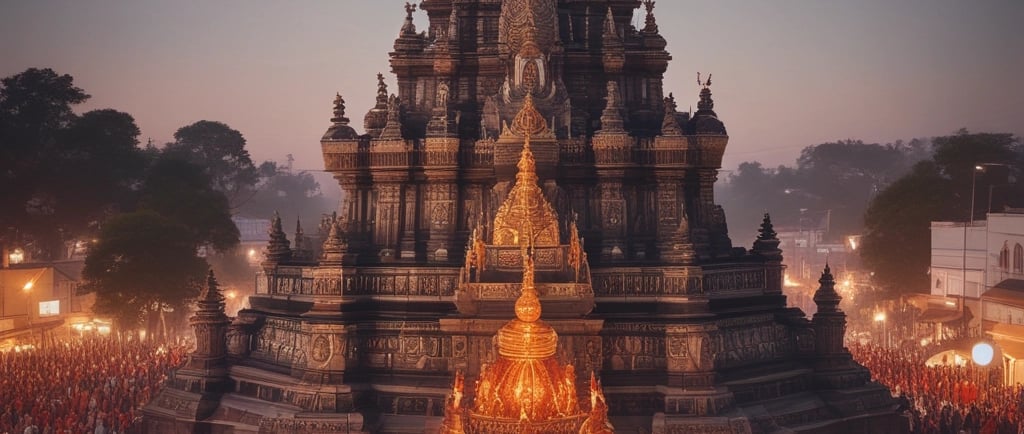
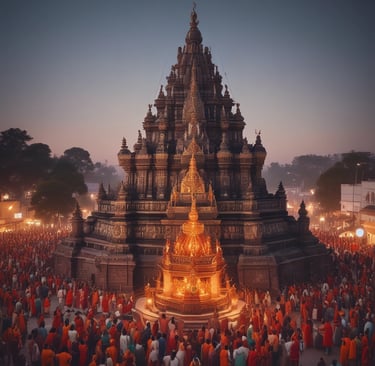
Mahashivratri is not just a festival; it is an experience that resonates with the souls of millions. Across India, the celebration of this sacred night dedicated to Lord Shiva brings forth a vibrant display of culture, spirituality, and community engagement. Through photographs, we can explore and appreciate the various ways people observe this auspicious occasion. From grand temples to humble homes, the spirit of Mahashivratri is vividly captured in these images.
In Ujjain, one of the holiest cities for devotees of Lord Shiva, the festivities reach a crescendo. The grandeur of the Mahakaleshwar Temple, illuminated at night, showcases thousands of devotees gathered to offer prayers. Images from this location often depict throngs of worshippers, offering milk and water to the Shiva Linga, as they chant hymns and prayers, creating a surreal atmosphere filled with devotion.
Vishnu Colony, another vibrant locale during Mahashivratri, conveys the sense of community that this festival fosters. The streets are adorned with lights and colorful decorations, while locals set up stalls offering sweets, flowers, and traditional offerings for the devotees. The shared energy among participants is infectious, and photographs from this area capture the joy and excitement of families coming together to celebrate.
Besides these notable places, Mahashivratri celebrations can be witnessed in various other cities and villages across India. Each location presents its unique charm, yet they all share a common essence rooted in spirituality and devotion. As we conclude this visual exploration, we encourage readers to not only admire the captured moments but also to immerse themselves in the celebrations. Mahashivratri is an invitation to partake in a collective expression of faith, one that unites people in their reverence to the divine.
Contact
Let's connect and grow your digital presence.
Phone
info@shobhitgoyal.com
+918103354280
© 2025. All rights reserved.
UDYAM REGISTRATION NUMBER :- UDYAM-MP-49-0093568