Celebrating the Vibrant Festival of Holi in India
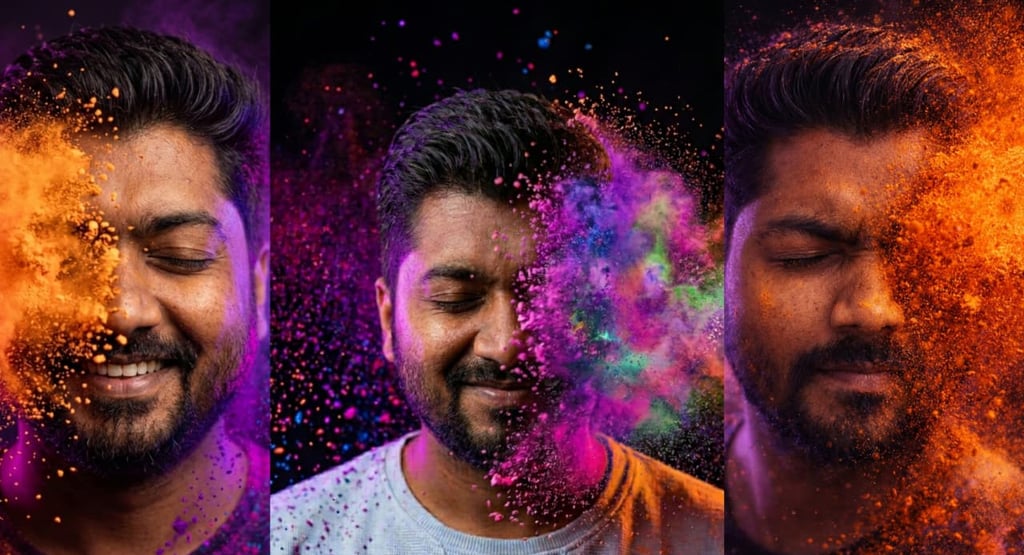
Holi, recognized as the Festival of Colors, is one of the most significant and vibrant festivals celebrated across India. It marks the arrival of spring, infusing the atmosphere with joy and enthusiasm. This exuberant festival typically falls in March, aligning with the full moon in the month of Phalguna, according to the Hindu lunar calendar. Holi is characterized by the playful throwing of colored powders and water, symbolizing unity, love, and the triumph of good over evil.
Shobhit Goyal
3/4/20268 min read
Introduction to Holi: The Festival of Colors
Holi, recognized as the Festival of Colors, is one of the most significant and vibrant festivals celebrated across India. It marks the arrival of spring, infusing the atmosphere with joy and enthusiasm. This exuberant festival typically falls in March, aligning with the full moon in the month of Phalguna, according to the Hindu lunar calendar. Holi is characterized by the playful throwing of colored powders and water, symbolizing unity, love, and the triumph of good over evil.
The origins of Holi are steeped in various mythological tales, each contributing to the rich tapestry of this festivity. Notably, the story of Prahlada and Hiranyakashipu serves as one of the foremost legends associated with Holi. Hiranyakashipu, a demon king, attempted to eliminate his virtuous son Prahlada, who was an ardent devotee of Lord Vishnu. The king's sister, Holika, who possessed a boon that made her immune to fire, deceived Prahlada into sitting with her in a blazing fire. However, it was Holika who perished in the flames while Prahlada emerged unscathed, symbolizing the victory of devotion over tyranny and the establishment of righteousness.
Beyond its mythology, Holi is celebrated with an atmosphere of camaraderie and joy. People of all ages participate, coming together in neighborhoods to share sweets, dance, and play with colors. Families and friends set aside differences, fostering relationships and promoting harmony among the community. This festival also emphasizes the transient nature of life, urging individuals to cast aside grievances and embrace joy and togetherness. Overall, Holi is a celebration not just of colors, but also of love, forgiveness, and the spirit of life itself.
Traditions and Rituals Associated with Holi
The festival of Holi, known as the festival of colors, is celebrated with great enthusiasm across India and has its own rich set of traditions and rituals that vary by region. One of the earliest rituals of the Holi festival begins on the night before Holi, known as Holika Dahan. During this event, people gather around bonfires to symbolize the victory of good over evil, commemorating the mythological tale of Prahlad and Holika. The bonfire itself is often accompanied by singing, dancing, and the sharing of traditional sweets, thus creating a sense of community and festivity.
On the day of Holi, the celebration truly comes to life. People begin their day by applying a variety of colors, known as gulal, onto one another. This vibrant display is not only a sign of joy but also symbolizes the arrival of spring. The preparation of these colors has evolved significantly, with natural and eco-friendly options like turmeric, beetroot, and flower petals becoming increasingly popular. These practices reflect a growing awareness of sustainability amidst the colorful celebrations.
Another integral aspect of Holi is the preparation of special dishes. Families come together to cook a variety of popular festive foods, such as gujiya (a sweet dumpling filled with khoya), dahi bhalla (lentil dumplings soaked in yogurt), and various regional sweets. The dishes vary across the country, showcasing India's diverse culinary heritage. Furthermore, the sharing of these homemade delicacies adds to the festive spirit as neighbors and friends exchange treats.
Overall, the traditions and rituals associated with Holi not only embody the spirit of joy and togetherness but also serve as a medium to reinforce social connections. The various customs associated with this festival, from preparing colors to sharing delicious foods, encapsulate the essence of Holi, making it one of the most beloved celebrations in India.
The Joy of Celebrating with Family and Friends
The festival of Holi, often referred to as the festival of colors, serves as a significant occasion that brings families and friends together in joyous celebration. In India, this vibrant festival is marked by an abundance of colors and spirited revelry as relatives and close friends come together to partake in the festivities. Families enthusiastically engage in the time-honored tradition of throwing colored powders known as "gulal," signifying joy, love, and the arrival of spring.
Shobhit Goyal and his family exemplify how Holi serves as a catalyst for reinforcing familial bonds. The occasion is meticulously planned, with family members gathering to prepare delicious festive meals that are shared among all participants. Traditional dishes, including sweets such as gujiya and savory snacks, create a sense of togetherness as they are savored while reminiscing about past celebrations. The act of cooking and sharing these meals enhances familial connections, making each bite a testament to love and togetherness.
Additionally, the playful activities commonly associated with Holi—such as water balloon fights and the joyful splattering of colors—elevate the festivity. These recreational pursuits not only foster laughter and joyous interactions but also enhance camaraderie among family members and friends. Parents and children engage in friendly competitions, promoting a spirit of fun and unity. Moments captured during these lively activities become cherished memories that families look back on fondly for years to come.
Thus, Holi serves as an important reminder of the significance of familial bonds, as loved ones come together to celebrate the festival. It is not merely the colors that brighten the day but the relationships strengthened through shared experiences and the joy of being in each other’s company.
Holi Celebrations in Different Regions of India
Holi, widely recognized as the festival of colors, is celebrated with immense enthusiasm across various regions of India, each infusing unique local traditions and customs into the festivities. In Barsana, the birthplace of Radha, the celebration known as Lathmar Holi is particularly noteworthy. Here, women playfully strike men with sticks, while the men, in turn, try to shield themselves. This playful rivalry encapsulates the spirit of Holi and symbolizes the celebration of love and joy.
Another noteworthy celebration occurs in Vrindavan, where the Floral Holi takes precedence. Participants gather to shower each other with a plethora of flowers instead of colored powders; this offers a different sensory experience—fragrance and texture replace the traditional hues. The temples also resonate with devotional music, enhancing the spiritual atmosphere during this celebration.
Moving to Punjab, Holi is celebrated with great zeal, marked by the tradition of singing and dancing around bonfires during the festival of Hola Mohalla. Here, the focus is on martial arts demonstrations, community gatherings, and vibrant folk music, merging religious significance with energetic expression.
In the western Indian state of Gujarat, the festival takes on a festive tone with events such as Garba dances and festivities that span for an extended period. The community engages in traditional dances, wearing colorful attire, thereby promoting unity through joyous participation while celebrating the essence of Holi. The culinary aspect also takes center stage, as sweet treats like gujiya and thandai are an integral part of the celebrations in this region.
Across every region, Holi serves as a powerful reminder of togetherness and the triumph of good over evil, with each local tradition adding to the diversity of this magnificent festival. The varying practices distinguish each locale while promoting a collective celebration that exemplifies the spirit of unity among different cultures.
Workplace Celebrations: Holi Among Colleagues
The festival of Holi, renowned for its vivid colors and joyous atmosphere, transcends various spheres of life, including the professional domain. Celebrating Holi in the workplace creates a unique opportunity for colleagues to come together, fostering team bonding and enhancing workplace camaraderie. Many organizations across India recognize the significance of this festival and organize special events, ensuring that employees not only enjoy the festivities but also strengthen their interpersonal relationships.
Take, for example, the experiences of Shobhit Goyal, who recalls lively Holi celebrations with his colleagues. During the festival, his workplace arranges a Holi party where employees gather to indulge in the splendor of color throws, music, and traditional sweets. This event not only serves as a break from routine but also as a platform for employees to interact outside of their typical work roles. Through these informal interactions, team members often discover common interests and develop stronger relationships.
Organizations often opt to incorporate team-building activities that echo the essence of Holi. Games and competitions can be organized, promoting collaboration and healthy rivalry among team members. These activities encourage employees to step outside their comfort zones, shedding their professional personas and embracing the joyous spirit of Holi. Furthermore, such celebrations promote inclusivity, as colleagues from different backgrounds come together to partake in the vibrant festivities.
Ultimately, celebrating Holi within the workplace cultivates a positive atmosphere, enhancing employee morale and satisfaction. As colleagues join in the revelry, the shared experience of joy and laughter breaks down hierarchical barriers, paving the way for a more cohesive work environment. The spirit of Holi, marked by togetherness and friendship, showcases how cultural festivals can enrich professional settings, demonstrating that work can indeed be a place of joy and harmony.
The Impact of Holi on Community and Society
The festival of Holi serves as a profound reflection of India's rich tapestry of culture and tradition, uniting individuals across diverse backgrounds and promoting social harmony. As communities come together to celebrate the arrival of spring, this vibrant occasion fosters a spirit of togetherness, joy, and cooperation among people from various segments of society.
One of the most significant aspects of Holi is its ability to transcend caste, creed, and religion, bringing individuals together in a communal celebration of color and happiness. Festivities include singing, dancing, and the throwing of colored powders, creating an atmosphere of joy that encourages interaction and bonding. In this way, Holi plays a vital role in strengthening community ties as well as enhancing mutual respect among different social groups.
Moreover, as conversations flow freely amid the joyful chaos, barriers that ordinarily separate individuals seem to dissolve during this joyous occasion. Holi thus cultivates a sense of belonging and unity, empowering people to celebrate their shared values and cultural heritage. This sense of camaraderie is especially evident in both urban and rural settings, where communities come alive with collaborative events, such as group feasts and public gatherings.
In recent years, there has been a growing emphasis on eco-friendly practices during the celebrations. As awareness of environmental issues rises, many participants now opt for organic colors and sustainable materials, showcasing a collective responsibility towards preserving nature. Implementing these eco-friendly measures not only enhances the celebration but also emphasizes the importance of environmental stewardship, urging communities to recognize their role in fostering sustainability.
Thus, Holi embodies not merely a festival of colors, but an opportunity for communities to come together, reinforcing social cohesion while promoting environmental consciousness. As India continues to celebrate this cherished festival, it remains crucial to acknowledge its broader impact on society and the strides being made towards inclusivity and sustainability.
Conclusion: Embracing Diversity Through Celebration
The festival of Holi stands as a vibrant emblem of joy, unity, and cultural diversity in India. As we have explored throughout this blog post, Holi is not merely a celebration of colors but also a rich tapestry of traditions, symbols, and values that promote the spirit of togetherness. This festival acts as a powerful reminder of the importance of fostering relationships and embracing different cultures, emphasizing that joy can be found through shared experiences.
Moreover, celebrating Holi reflects the fundamental human desire for connection and community. It encourages individuals to step beyond the confines of their own identities to appreciate the diverse tapestries that make up Indian society. The playfulness of throwing colored powders symbolizes the shedding of differences, allowing people from all walks of life to come together harmoniously. Thus, Holi serves as a call for inclusivity, urging participants to view the festival as a platform for understanding and celebrating varied backgrounds.
In essence, as the festival draws nearer, it invites everyone to partake in its joy responsibly. While the colors of Holi illuminate our surroundings, they also remind us of the significance of mutual respect and consciousness concerning our actions during the celebrations. Engaging in Holi with a spirit of goodwill promotes not only personal happiness but also reinforces the bonds that tie communities together.
In conclusion, celebrating Holi fosters an environment of acceptance, joy, and togetherness, reminding all of us that our differences can be the source of great beauty and strength. As we embrace the rich cultural diversity inherent in the festival, let us celebrate Holi not just as an event, but as an opportunity to cultivate empathy, respect, and appreciation toward one another in our collective journey of life.
Contact
Let's connect and grow your digital presence.
Phone
info@shobhitgoyal.com
+918103354280
© 2025. All rights reserved.
UDYAM REGISTRATION NUMBER :- UDYAM-MP-49-0093568