The ICC Revenue Magnet: Analyzing the Financial Power of Cricket
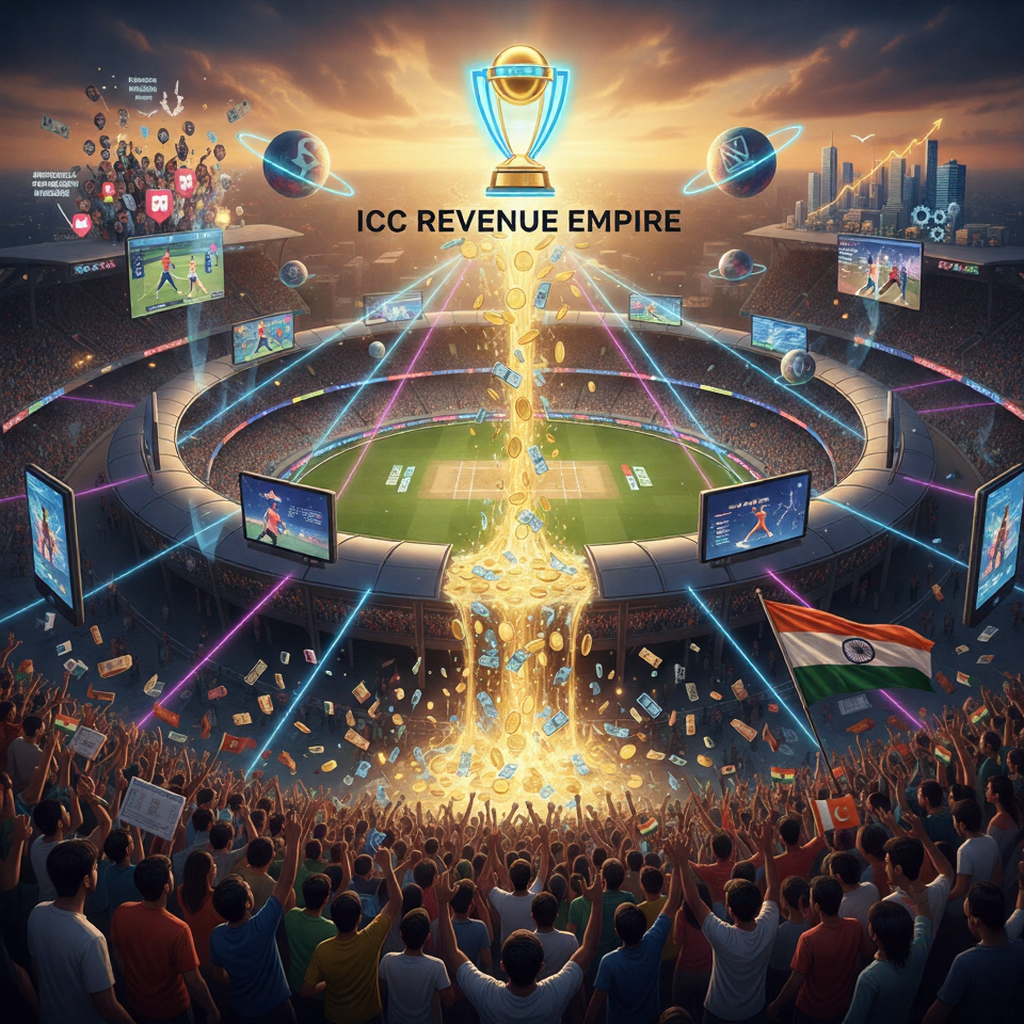
The International Cricket Council (ICC) serves as the global governing body for cricket, overseeing the management and development of the sport worldwide. Established in 1909, it plays a critical role in organizing international competitions and setting the regulations for the game. One of the fundamental aspects of the ICC's success lies in its diverse revenue streams, which significantly bolster its financial stability and influence in the cricketing landscape.
Shobhit Goyal
2/13/20268 min read
Introduction to ICC's Revenue Streams
The International Cricket Council (ICC) serves as the global governing body for cricket, overseeing the management and development of the sport worldwide. Established in 1909, it plays a critical role in organizing international competitions and setting the regulations for the game. One of the fundamental aspects of the ICC's success lies in its diverse revenue streams, which significantly bolster its financial stability and influence in the cricketing landscape.
Among the primary sources of revenue for the ICC are broadcasting rights, sponsorship deals, ticket sales, and merchandise. Broadcasting rights form one of the largest components of the ICC's income. In recent years, the demand for cricket content has skyrocketed, leading to lucrative agreements with major broadcasting networks. These deals ensure that leagues and tournaments, which include the ICC Cricket World Cup and ICC T20 World Cup, attract substantial television viewership globally, further elevating cricket’s presence.
Sponsorship deals are another essential aspect of ICC's financial strategy, wherein brands invest heavily in aligning their names with prestigious cricket events. These sponsorships not only provide financial backing to the ICC but also enhance brand visibility among a vast audience, as cricket continues to grow in popularity, particularly in emerging markets.
In addition to broadcasting and sponsorship, ticket sales contribute significantly to revenue generation during tournaments. The ICC hosts numerous events that draw large crowds, generating substantial revenues through ticket sales. Moreover, merchandise sales, which range from team apparel to memorabilia, have become increasingly profitable, allowing fans to engage with the sport in a tangible way.
Overall, the combination of these revenue streams underpins the ICC's financial strength, fostering the continued growth and development of cricket worldwide. Understanding these streams is essential for appreciating the broader economic impact of cricket on global sports culture.
Sky-High Viewership: The Driving Force
The International Cricket Council (ICC) events consistently demonstrate remarkable global appeal, with millions of fans captivated by the excitement and drama of cricket. The 2023 Asia Cup, for instance, showcased extraordinary viewership figures, setting new records for the tournament. Such high television ratings and extensive digital streaming not only underscore the sport's popularity but also significantly contribute to the ICC's revenue generation.
In today's media landscape, the convergence of traditional broadcasting and digital platforms plays a pivotal role in enhancing viewership. The availability of matches across various channels, including cable television, satellite broadcasts, and internet streaming services, makes cricket accessible to a wider audience. Particularly during marquee events like the Asia Cup, cricket fans are drawn to live matches, resulting in a surge of both television viewership and online streaming. During these tournaments, the cumulative audience reaches staggering numbers, often surpassing hundreds of millions, leading to a pronounced increase in demand for advertising space.
As viewership climbs, so do the financial implications for sponsors and advertisers. The ICC capitalizes on this trend by partnering with brands keen to associate with high-profile tournaments. The high engagement rates during matches translate into lucrative advertisement revenues, as companies are eager to capture the attention of a sports-loving audience. Such opportunities enable the ICC to negotiate higher rates for advertising slots, further solidifying its position as a dominant force in the sports broadcasting market.
Moreover, the rise of social media platforms has turned fans into active participants, amplifying discussions and engagements surrounding matches. This engagement not only adds to the ICC’s revenue pool through innovative sponsorship arrangements but also increases the longevity of the tournaments’ impact. Overall, the massive viewership of ICC events, epitomized by recent tournaments such as the 2023 Asia Cup, is indeed a driving force behind the agency's substantial financial power.
The Asia Cup 2023: A Case Study
The Asia Cup 2023 emerged as a pivotal event in the cricketing calendar, showcasing not only thrilling matches but also remarkable financial successes. As a significant tournament in the cricketing world, its influence on revenue generation can be attributed to various factors, including strategic location choices, the participation of prominent teams, and effective marketing practices.
One of the primary reasons for the record-breaking TV and digital audiences during the Asia Cup 2023 was the tournament's hosting in the United Arab Emirates (UAE). The UAE, known for its state-of-the-art cricketing infrastructure and hospitality, attracted a diverse crowd, facilitating substantial turnouts in stadiums. This enhanced fan experience contributed exponentially to ticket sales and associated merchandise, which in turn bolstered overall revenue streams.
Furthermore, the participation of major teams from Asia, including India, Pakistan, and Sri Lanka, significantly impacted viewership. Matches involving these nations historically draw large audiences, both on television and across digital platforms. The fierce competition and intense rivalries further fueled engagement, resulting in elevated broadcasting rights values. Media rights sales during the Asia Cup 2023 reached new heights, reflecting the tournament's popularity and the willingness of networks to invest in high-profile cricket content.
Digital platforms played an equally crucial role in the tournament's financial success. The rise of streaming services and their ability to reach global audiences meant that fans had access to live coverage and highlights, irrespective of location. This increase in digital consumption not only provided additional revenue streams through subscription models but also allowed for innovative advertising opportunities tailored to a younger audience.
In conclusion, the Asia Cup 2023 serves as a compelling case study in understanding the intricate interplay between sporting events and financial dynamics, illustrating how strategic decisions can yield significant financial rewards in cricket.
Rivalry and Hype: Key Drivers of Fan Engagement
The realm of cricket is not merely a sport; it is a battleground of pride, tradition, and fierce rivalry. Iconic matches, such as the high-stakes encounters between India and Pakistan, exemplify how historical narratives and national pride can elevate the excitement surrounding the game. These intense matchups draw in not only ardent cricket fans but also casual viewers, significantly enhancing fan engagement. This engagement is rooted deeply in the emotional connections that fans have with their teams and the storied past of these rivalries, which serve to amplify the stakes on the field.
National pride plays a crucial role in shaping fan behavior. Matches between rival nations often evoke a sense of solidarity among supporters, creating a unifying experience that transcends individual differences. Fans are motivated to rally behind their national teams, generating an atmosphere charged with anticipation and intensity. This enthusiasm leads to increased ticket sales and heightened pricing strategies across venues, leveraging the rivalry-induced demand. The need to witness history as it unfolds fosters a collective experience, turning matches into captivating events that capture the attention of millions.
Moreover, the historical narratives attached to these rivalries create a multifaceted marketing potential. Cricket boards and sponsors actively capitalize on this hype through targeted promotion strategies, compelling content, and fan engagement campaigns focused on these legendary matchups. The dynamic interplay of marketing and fan emotions not only boosts attendance but also enhances the merchandise sales associated with these events. Ultimately, the combination of fierce competition and powerful storytelling works symbiotically to sustain high levels of fan engagement, ensuring that the exceptional atmosphere during such matches remains a mainstay of cricket's financial framework.
The Role of Social Media in Cricket's Popularity
In recent years, social media has emerged as a pivotal force in enhancing the popularity of cricket, particularly during significant ICC events. Platforms such as Twitter, Instagram, and TikTok have entrenched themselves as essential tools for fan engagement, allowing supporters to connect with one another, express their opinions, and share their enthusiasm for the sport. The instantaneous nature of social media enables fans across the globe to unite, transcending geographical boundaries and fostering a sense of community among cricket enthusiasts.
During ICC tournaments, social media activity peaks as fans and players alike harness these platforms to communicate. For example, players often share behind-the-scenes moments through Instagram stories, providing followers with an intimate look at their experiences, training sessions, and even personal anecdotes. In a similar vein, Twitter serves as a real-time commentary and news hub, where fans engage in discussions, retweet match highlights, and express their support in the form of hashtags.
Another compelling aspect of social media in cricket's realm is the viral moments that often emerge from pivotal matches. Memorable instances, such as a stunning catch or an exhilarating last-over finish, frequently dominate online discussions, while fans share these highlights across various channels, amplifying the excitement surrounding the game. This instant accessibility of content not only captures the attention of existing fans but also attracts new viewers, especially the younger demographic who are more inclined to engage on these platforms.
Moreover, campaigns and challenges initiated on platforms like TikTok encourage fans to create cricket-related content, showcasing their devotion and creativity. This interactive and participatory approach fosters a deeper connection between the players and their supporters, further promoting the sport's visibility and cultural significance. Through such engagement, social media has redefined how cricket is celebrated and appreciated worldwide.
Economic Impact: Revenue Beyond the Matches
The financial influence of International Cricket Council (ICC) events is multifaceted, extending well beyond the immediate revenues generated from ticket sales. When host countries stage major cricket tournaments, they experience a significant boost in several economic sectors, notably tourism, hospitality, and local economies. During these events, cities become a hub of activity as cricket enthusiasts from around the globe converge to witness their favorite teams compete on a grand stage. This influx not only stimulates the local economy but also enhances the global visibility of the host nation.
Tourism experiences a notable upsurge during ICC events, as fans travel for matches, contributing to accommodation, food, and transport sectors. Hotels, restaurants, and local attractions see increased footfall, leading to higher earnings and job creation in these industries. Additionally, local markets benefit from the sale of memorabilia, local crafts, and food items, further enriching the economic landscape of the host city.
The impact on employment is particularly significant; major events necessitate a temporary workforce to manage logistics, security, hospitality, and transportation. This surge in job creation not only provides immediate employment opportunities but also helps local businesses grow, fostering long-term economic growth. Furthermore, the ripple effect of increased revenue can lead to infrastructural improvements, which serve the community for years after the event has concluded.
Additionally, ICC events can catalyze long-term investments in sports infrastructure, as cities seek to enhance their stadiums and facilities in anticipation of future tournaments. Such developments ultimately contribute to improved local amenities and an enhanced quality of life for residents.
Conclusion and Future Outlook
The International Cricket Council (ICC) has successfully established itself as a significant financial powerhouse within the realm of sports, particularly through its strategic management of tournaments and partnerships. This analysis highlighted how the ICC generates substantial revenue streams from various sources, including broadcasting rights, sponsorship deals, and ticket sales. The revenue model has not only solidified the financial base of cricket but has also enabled significant investment in grassroots programs and the development of the game globally.
As cricket continues to grow in popularity, especially in emerging markets, the ICC is well-positioned to capitalize on upcoming tournaments such as the World Cup and T20 leagues. These events draw massive audiences both on-ground and through digital platforms, enhancing the potential for substantial financial gains. As the landscape of sports revenue evolves, characterized by a shift towards digital engagement, the ICC must adopt innovative approaches to reach new fans while maintaining its traditional audience.
However, the ICC's future financial success is not without potential challenges. The increasing competition from other sports leagues and entertainment platforms poses a threat to cricket's market share. Moreover, maintaining the integrity of the game amid commercial pressures remains imperative. The ICC must navigate these complexities to sustain its financial growth while ensuring that the sport retains its essence and appeal to diverse audiences.
In conclusion, the ICC stands at a pivotal juncture where its past financial successes provide a strong foundation for future endeavors. By embracing change and addressing emerging challenges, the ICC not only ensures the financial health of cricket but also secures its place as a leading sport on the global stage.
Contact
Let's connect and grow your digital presence.
Phone
info@shobhitgoyal.com
+918103354280
© 2025. All rights reserved.
UDYAM REGISTRATION NUMBER :- UDYAM-MP-49-0093568